African Grey Parrot Diet Guide: Feeding Recommendations, Forbidden Foods, and How to Build a Healthy Diet

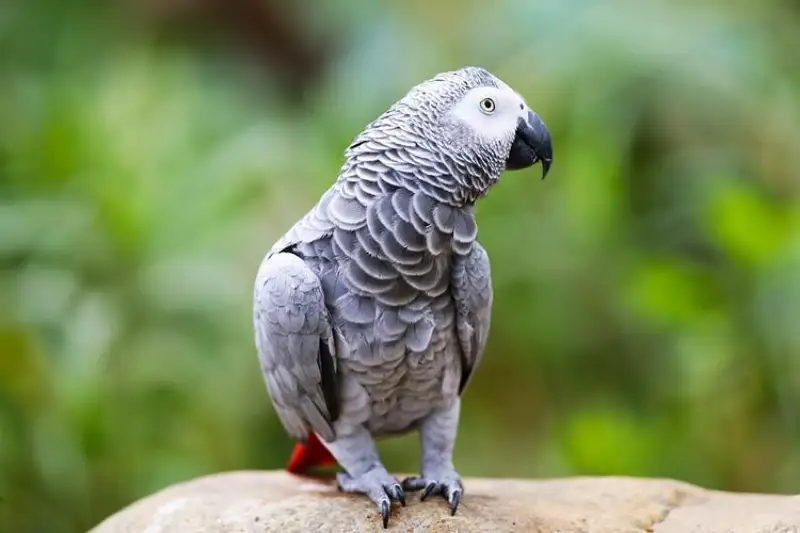
African Grey Parrots are famous for their high intelligence and sensitive emotional needs, but when keeping them, diet management is often the most easily overlooked yet critical aspect. As a bird prone to calcium deficiency and highly sensitive to nutrition, an African Grey’s diet requires a scientific structure and long-term commitment. Many common feeding mistakes, such as feeding only seeds, often lead to severe health issues.
Quick Answer: What Should an African Grey Parrot Diet Include?
Simply put, a healthy African Grey diet should be based on high-quality pellets as the staple food, supplemented with plenty of fresh vegetables (chop), a moderate amount of fruits, and a very small amount of seeds and nuts. Because they are more prone to calcium deficiency than other parrot species, you must provide dark leafy greens rich in calcium and Vitamin A. Clean water and regular exercise are also fundamental to maintaining their digestive system and overall health.
Why a Carefully Crafted Diet for African Greys Is Essential
In the wild, African Greys consume 30 to 100 different types of food daily. Diet diversity ensures they get comprehensive nutrition. In captivity, it is hard to meet such varied food demands. If we only offer a single seed mix—though cheap and easy to get—it cannot satisfy a Grey’s full nutritional needs.
Seeds are typically extremely high in fat and low in vitamins, proteins, and minerals. Parrots on a long-term seed diet tend to have shorter lifespans and are prone to obesity and cardiovascular disease. Also, African Greys have a higher physiological demand for calcium and Vitamin A than other birds. An unbalanced diet easily leads to health risks from calcium deficiency.
What Wild African Greys Eat
In the wild, African Greys are opportunistic foragers. Depending on the season and location, they eat a variety of fruits, seeds, nuts, flowers, and even bark. This natural diet provides energy and, more importantly, rich trace elements and phytochemicals. While we cannot fully replicate wild diversity in captivity, the principle of “diversity” must guide our feeding strategy.
The Best Daily African Grey Diet Plan
Pellets
Pellets should be the foundation of an African Grey’s diet, ideally making up 50% to 80% of their daily intake. High-quality pellets (such as Harrison’s or Roudybush) are scientifically formulated to guarantee balanced baseline nutrition.
If your parrot mainly eats pellets, they usually do not need extra vitamin and mineral supplements, as over-supplementing can lead to toxicity. Only when their main diet remains seed-based should you consider supplements, and only under the guidance of an avian vet.
Fresh Vegetables (Chop)
Fresh vegetables should make up about 30% of their diet. For African Greys, dark leafy greens are the top priority because they are rich in calcium and Vitamin A. Recommended vegetables include broccoli, carrots, spinach, dandelion greens, mustard greens, kale, and endive. Cooked rice, beans, quinoa, sweet potatoes, and pumpkin are also great additions.
Fresh Fruits
Fruits can serve as treats or training rewards, offering natural sugars and vitamins. Recommended fruits include apples, bananas, papayas, mangoes, blueberries, figs, and apricots. However, you must limit fruit portions, as high sugar content can lead to obesity or picky eating.
Seeds and Nuts
Seeds and nuts should be treated as “treats” rather than staples in an African Grey’s diet. Seeds should not exceed 12% of the diet, and nuts should stay under 10%. Seeds are too high in fat, which is the primary cause of obesity in captive parrots.
I recommend offering nuts in the shell (such as hazelnuts and walnuts). The deshelling process provides excellent mental stimulation and entertainment for them.
Calcium, Iodine, and Nutritional Supplements
African Greys are highly prone to calcium deficiency, so you must ensure they get enough calcium. Besides leafy greens, you can offer a mineral block. If their main diet is pellets, they usually do not need extra calcium powder. If they eat mostly seeds, you will need to add a calcium supplement.
Safe Food List for an African Grey Parrot Diet
When planning your bird’s menu, you can refer to these safe food categories:
- Vegetables: Kale, mustard greens, dandelion greens, broccoli, carrots, spinach, beets, pumpkin, sweet potatoes.
- Grains: Cooked rice, quinoa, oats (recommended under 10% for adult birds), barley, buckwheat.
- Legumes: Cooked beans (like chickpeas and lentils) or sprouted beans (mung beans, peas, adzuki beans, etc.).
- Fruits: Figs, apricots, apples (seeds removed), pears (seeds removed), bananas, mangoes, blueberries.
- Proteins: Small amounts of cooked eggs (offered occasionally, recommended once a week).
Foods to Avoid in an African Grey Diet
Some foods are perfectly safe for humans but deadly for parrots. Please put the following foods on your absolute blacklist:
- Avocado: Contains the toxin persin, which causes heart failure and death.
- Caffeine and Chocolate: Can cause hyperactivity, irregular heart rate, seizures, and death.
- Alcohol: Even tiny amounts can cause poisoning and death.
- Onions, Garlic, and Leeks: Contain thiosulfates, which destroy red blood cells and lead to hemolytic anemia.
- Fruit Pits and Seeds: Apple seeds, pear seeds, peach pits, and apricot pits contain cyanide and are toxic.
- Raw Beans: Contain phytohemagglutinin, which causes toxicity. They must be thoroughly cooked or sprouted before feeding.
- Mushrooms: Parrots cannot break down certain compounds in them, which can cause indigestion or liver failure.
- Milk: Parrots lack lactase, so drinking milk causes diarrhea. Plain, unsweetened yogurt is fine in moderation.
- High-Salt, High-Sugar, and Greasy Human Snacks: Such as french fries, cookies, fried chicken, etc.
Common Feeding Misconceptions for African Greys
- “A seed-only diet is enough”: This is the biggest myth. Seeds are nutritionally incomplete and high in fat. Long-term seed diets lead to malnutrition and a shortened lifespan.
- “Parrots know what is good for them”: Parrots naturally prefer high-fat, high-sugar seeds and fruits. If left to choose, they will avoid healthy pellets and vegetables. Picky eating is natural for all parrots. Therefore, the owner must control their diet structure.
- “All beans can be fed raw”: Raw beans contain toxins. They must be thoroughly cooked or sprouted before being fed to your parrot.
- “Parrots cannot eat pears”: This is a common misunderstanding. What they cannot eat is avocado (which is sometimes mistranslated in Chinese as “alligator pear”). Regular pears have a high water content, which makes their droppings more watery. This is completely normal, not a sign of poisoning or sickness.
How Often Should You Feed an African Grey?
Parrots have a fast metabolism. I recommend feeding fresh foods twice a day—once in the morning and once in the evening—while keeping pellets available 24/7 (unless you are managing their weight).
When feeding fresh foods (especially vegetables and fruits), remove them within 1 hour in the summer and within 4 hours in the winter to prevent spoilage and bacterial growth.
How to Get a Picky African Grey to Try New Foods
Many African Greys accustomed to a seed diet will reject vegetables and pellets. Guiding them to accept new foods takes incredible patience:
- Share food: Take a bite of the vegetable or fruit in front of your parrot, act like you love it, and then offer them a small piece. Parrots learn by watching and will accept it more easily.
- Change the shape: Cut the food into different sizes or string it up like a toy. Use their natural curiosity to get them to try it.
- Hand-feed: Some birds are clingy and will only eat if hand-fed. Consistent hand-feeding can help them get used to new tastes.
- The gradual method: Mix the new food with their favorite food. Start with a 20% ratio, then slowly increase it to 40%, 60%, until the old food is fully replaced.
- Make “Chop”: Finely chop a variety of vegetables, grains, and beans together. This nutrient-dense mix is often much easier for them to accept than a single vegetable.
Keep an eye on their droppings. If the droppings turn dark green or black for an extended period, it means your bird is not eating enough, and you need to adjust your strategy.
Food as Entertainment: Foraging Behavior and Mental Stimulation
In the wild, foraging takes up most of a parrot’s day. In captivity, we can satisfy this instinct by using foraging toys. Hiding nuts or pellets inside toys that require manipulation or taking apart keeps their brains and bodies active while eating. Nuts in the shell are also great natural toys—the deshelling process itself is highly stress-relieving.
When to Consult an Avian Vet About Diet Issues
If your parrot shows any of the following signs, I highly recommend consulting an avian vet:
- They refuse new foods for a long time and show noticeable weight loss.
- Their droppings are abnormal (such as persistent watery droppings, unusual colors, or cloudy, green, or yellow urine).
- They show feather plucking or feather destructive behavior (FDB), which can be tied to nutritional deficiencies (like lack of calcium or Vitamin A) or diseases like PBFD (Psittacine Beak and Feather Disease).
- The parrot goes on a hunger strike and continues losing grams while you are transitioning their diet.
My Sample African Grey Feeding Schedule
- Morning: Provide a fresh batch of “Chop” (containing kale, carrots, cooked beans, and a small amount of fruit) ➕ 1 portion of pellets (Harrison’s High Potency series) ➕ a small amount of seed mix. I remove the fresh Chop after 30 minutes.
- Training/Interaction Time: We do interactive training once or twice a day. As a reward, I offer a walnut or hazelnut in the shell, or sometimes sunflower seeds.
- Evening: A small portion of fruit + seed mix + refresh any leftover pellets.
FAQ
Q: Can African Greys drink milk?
A: No. The lactose in milk causes diarrhea and dehydration in parrots. However, unsweetened yogurt is fine in moderation, and fermented unsweetened yogurt is actually an excellent source of calcium.
Q: Is seed mix completely off-limits?
A: No, it is not completely off-limits, but it should never be the staple diet. Seed mixes contain many oily seeds, which leads to picky eating as they only pluck out their favorites. Over time, this causes malnutrition. Seed mix is best used as training rewards or hidden inside foraging toys.
Q: Why won’t my bird eat kale?
A: This is very common. Try finely chopping it and mixing it with their favorite fruits, or hand-feeding it to them. Do not give up—repetition is key. Some parrots can take months to accept a new food.
By establishing a scientific, varied diet structure, you will not only extend your African Grey’s lifespan but also dramatically improve their feather quality and mental vitality. It requires consistency and attentiveness, but the rewards are completely worth it.