What is the Best Food for Cockatiels? The Ultimate Vet-Approved Feeding Guide

What is the Best Diet for Cockatiels?
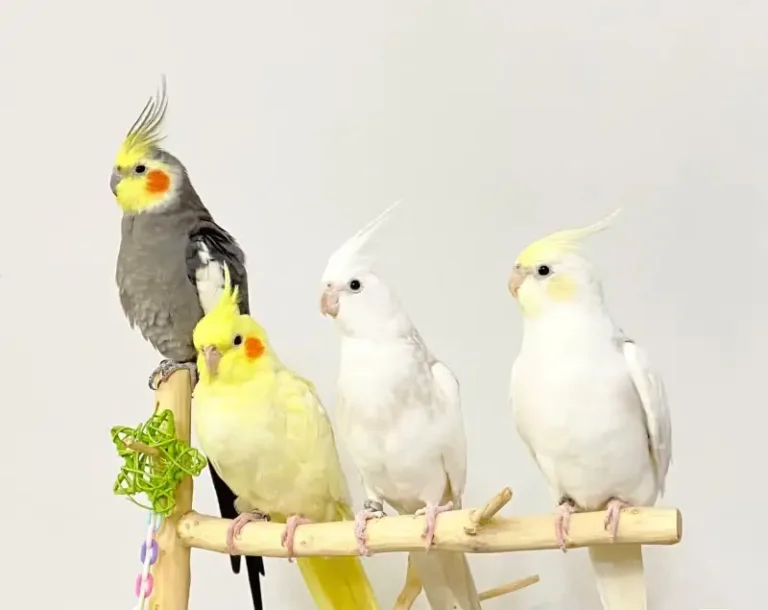
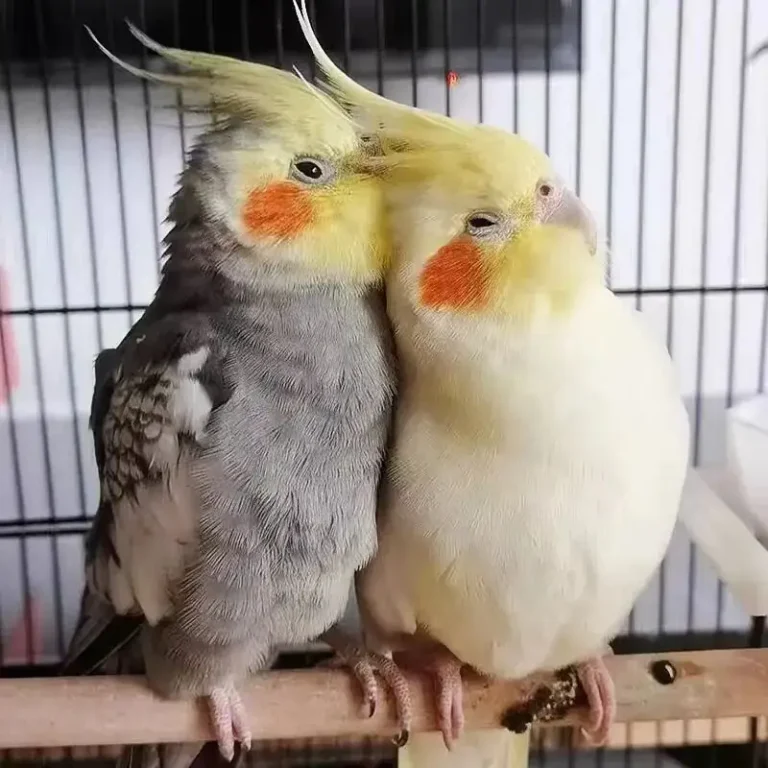
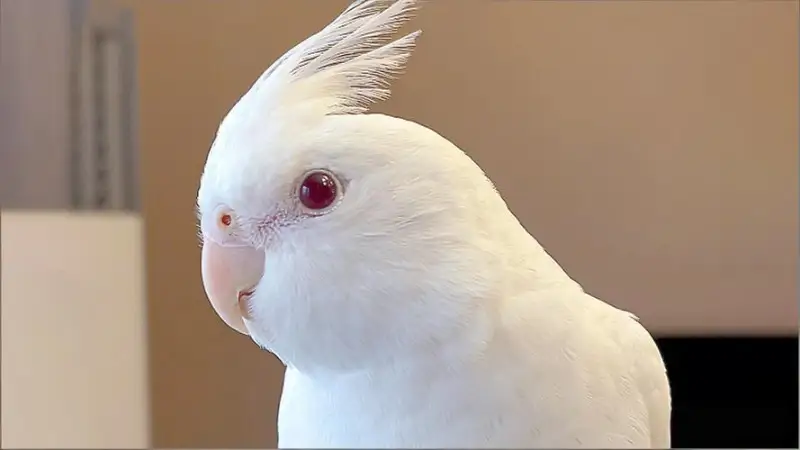
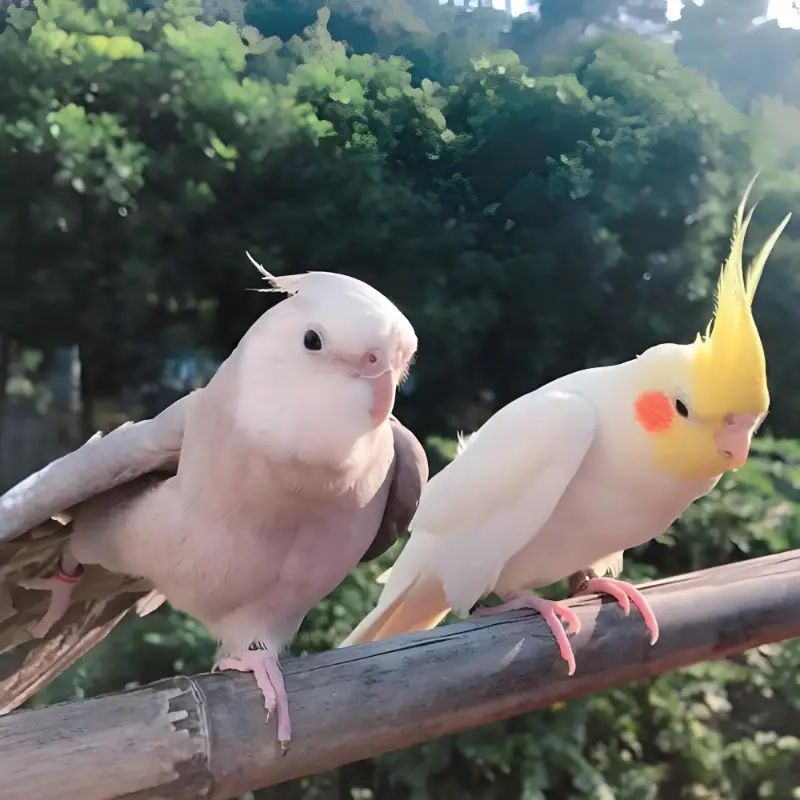
Cockatiels are the top choice for many beginner bird keepers. With their bobbing crests, gentle personalities, and the males’ ability to learn to whistle, they are incredibly endearing. Many bird owners think cockatiels are easy to care for and can thrive on just seeds, but this is a common misconception. In captivity, a cockatiel’s lifespan can actually reach 15 to 20 years. A long-term diet of only seed mix easily leads to obesity, fatty liver disease, or illnesses caused by vitamin A deficiency and calcium deficiency.
Best Food for Cockatiels: In their daily diet, high-quality pellets should make up the majority, while seeds and nuts should only serve as treats, kept under 10% overall. Fresh water must be changed daily to keep it clean.
What Do Wild Cockatiels Eat?
Cockatiels are native to the semi-arid inland grasslands and shrublands of Australia. They aren’t the type to sit in trees cracking pinecones; instead, they are classic ground foragers. They roam the ground in flocks, bowing their heads to scratch for grass seeds, tender shoots, fresh green leaves, and the occasional insect they come across.
This “head-down foraging” instinct means they spend most of their day in the wild searching for food, consuming up to 29 different types of food.
The Golden Dietary Ratio: How to Balance Your Cockatiel’s Daily Menu
60% to 80% pellets + 15% to 20% fresh vegetables and fruits + around 10% seed mix
Pellets: The Essential Nutritional Foundation
Pellets are a scientifically formulated professional feed, ensuring every bite contains the vitamins, minerals, and amino acids your parrot needs. Common cockatiel health issues, such as calcium deficiency and vitamin A deficiency, often stem from a monotonous diet. Pellets prevent nutritional deficiencies caused by picky eating to the greatest extent. Using pellets as their staple food is the most recommended approach.
Personally, I have long fed Harrison’s Bird Foods as the primary diet, paired with Wittemolen seed mix and treats.
| Brand | Best Suited For | Nutritional Highlights | Recommendation Level |
|---|---|---|---|
| Harrison’s Bird Foods | Premium/Organic Choice | 100% organic ingredients, great for picky eaters and birds needing recovery | Highly Recommended |
| Roudybush Daily Maintenance | Daily Maintenance Staple | Formulated based on years of scientific research, great value | High (Veterinary Standard) |
| ZuPreem Natural | Ideal for Diet Transition | Enriched with essential vitamins, features natural grain colors and flavors | High |
| Lafeber Nutri-Berries | Foraging & Fun Feeding | Berry-shaped clusters with hulled seeds, perfect as a nutritious treat | High |
| Higgins Vita Seed | Quality Seed Pairing | High-quality seed blend containing clean grains and a small amount of pellets | Moderate (Use as a treat pairing) |
| Wittemolen | Quality Seed Pairing | Special V.A.M. core nutrients | Moderate (Use as a treat pairing) |
Seeds: A Delicious Trap, Never the Staple
It’s not that they can’t eat seeds at all; they just shouldn’t be the staple. Cockatiels easily get addicted to high-fat seeds like sunflower seeds and hemp seeds. A long-term high-seed diet easily leads to obesity and fatty liver disease, while potentially causing calcium and vitamin A deficiencies. Many “millet-only” cockatiels I have seen have dull feathers and are overweight, with physical conditions far worse than same-age birds on a pellet diet.
Fresh Vegetables, Fruits, and Drinking Water
Dark leafy greens and a small amount of fruit are key supplements outside of pellets. Broccoli, carrots, kale, bell peppers, and pumpkin are all safe, nutrient-dense choices. Recommended fruits include apples, blueberries, and papaya, but because of their high sugar content, keep the portions small.
Special Tip: Cockatiels love “dunking” their food into their water when drinking, which spoils the water very quickly. It is best to change their water dish once or twice a day.
Fresh Fruits, Vegetables, and Protein Supplement Guide
Preferred Vegetables for Cockatiels
Broccoli and kale are not only rich in vitamins but also provide calcium, making them top vegetable choices for cockatiels. These veggies can be washed, drained, and served raw. Carrots are packed with vitamins that benefit a cockatiel’s feathers and skin. While spinach contains calcium, it is high in oxalic acid and should not be the sole calcium source, though mixing a small amount into a diverse diet is perfectly fine. Pumpkin and sweet potatoes are best served cooked in small amounts.
Deadly Fruit Seeds and Pits
When feeding fruits like apples and pears, you must completely remove the seeds. Seeds from the Rosaceae family contain cyanogenic glycosides, which hydrolyze to produce highly toxic hydrogen cyanide—deadly for a tiny cockatiel. Blueberries and other berries are rich in antioxidants, but since their natural sugar content is high, feed them only a few times a week. Don’t let them get hooked.
Protein Sources for Cockatiels
Protein is incredibly important for parrots, yet it is often overlooked because cockatiels are seen as vegetarian birds.
Recommended protein sources: hard-boiled eggs (crushing them with the shell also provides calcium), fully cooked unsalted beans, and sprouted beans (bean sprouts).
Special Tip: Dried and raw beans contain phytohemagglutinin, which can cause poisoning symptoms within hours of ingestion. Beans must be thoroughly cooked or sprouted before feeding. As for dairy, parrots are generally lactose intolerant, so milk is an absolute no-no; fermented plain yogurt can be offered in tiny amounts as a calcium supplement.
Toxic Danger Zones: Foods Cockatiels Must Never Eat
- Avocado: The leaves, bark, and flesh contain persin, which is highly toxic to parrots and can kill them within a short time.
- Onions, Garlic, and Leeks: Contain thiosulfate, which can destroy red blood cells and cause hemolytic anemia.
- Chocolate, Coffee, Tea, and Cola: Any caffeine-containing food can cause arrhythmia, seizures, and even death.
- Rosaceae Fruit Seeds and Pits: Seeds from apples, pears, peaches, etc., contain cyanogenic glycosides, which hydrolyze to produce highly toxic hydrogen cyanide.
- Alcoholic Beverages: Have a fatal depressant effect on a bird’s nervous system.
- Mushrooms and Fungi: Birds lack the enzymes to break down fungal compounds; eating them can cause vomiting, diarrhea, and in severe cases, suffocation or liver failure.
- High-Salt, High-Fat, and High-Sugar Human Snacks: Chips, bacon, and fried foods strain their kidneys, leading to obesity and metabolic issues.
- Milk: Contains lactose. Parrots lack lactase in their systems and cannot digest it, which leads to diarrhea and dehydration.
- Tip: Fermented plain yogurt can be offered in small amounts as a calcium supplement.
Diet Transition in Practice: How to Get a “Seed-Addicted” Cockatiel onto Pellets
Converting from seeds to pellets is the biggest headache for many cockatiel owners. Cockatiels have stubborn personalities, but they are also naturally curious, especially about ground-based activities. Capitalizing on this trait can greatly increase your success rate.
Build a habit of regular weighing: Record a baseline weight before starting the diet transition. In my experience, weigh him once in the morning before breakfast and once after he has eaten breakfast. This gives you a clear picture of your cockatiel’s weight patterns. Weighing consistently for 3 to 7 days will give you his average weight. If you notice a continuous weight loss over 2 to 3 days, you need to be highly alert.
Tip: Making weighing a habit is an excellent way to monitor your cockatiel’s health. If she keeps losing grams for several consecutive days during the transition, it means she isn’t eating the pellets. You must adjust your transition strategy to prevent her from getting sick due to weight loss.
The Mimic Pecking Method: This is extremely effective for cockatiels. Scatter some pellets on a clean, light-colored flat surface. Sit next to him, pretend to peck at them with your finger, occasionally flicking a pellet toward him, and scratch your fingernails to mimic chewing sounds. Since cockatiels are ground foragers, seeing you “eat” will trigger his curiosity to come over and try. This usually works within half an hour; the less you explicitly focus on him during the process, the better it works.
The Powder Coating Method is also practical: crush the pellets into a fine powder and sprinkle it over slightly damp seeds or broccoli. This forces the bird to taste the new flavor while eating his familiar foods.
The Time-Control Method: In the morning when your cockatiel is hungriest, leave only pellets in his food bowl. Observe if he starts pecking at them. If he is clearly eating the pellets, you can supplement with a small amount of seed mix around noon (remove it after 30 minutes). Alternatively, place seeds and pellets in two separate bowls, putting only a tiny portion in the seed bowl. Feed him in the morning, remove the seed bowl in the afternoon—leaving only pellets—and return the seeds at night, gradually stretching the time gap. This entire process can take two to four weeks, sometimes even longer.
Tip: Diet transition is a long-term process. During this transition, you must carefully observe whether your cockatiel is eating the pellets and monitor his daily weight changes. If you encounter…
Foraging Games: Giving Your Cockatiel More Foraging Toys
Cockatiels are natural chewers and foragers. Providing them with some clean, pesticide-free natural branches every week to peel bark and chew leaves not only helps trim their beaks but also prevents behavior issues caused by boredom.
Foraging toys are equally crucial. Hiding a small amount of food inside paper rolls, dedicated foraging toys, or scattering it across a terra cotta tray encourages your cockatiel to spend time searching. This mimics their wild ground foraging behavior and is highly beneficial for their mental health.
FAQ
Do Cockatiels Need Grit to Help with Digestion?
Absolutely not, and it is actually very dangerous. Pigeons swallow seeds whole and require grit to grind them in their gizzard; however, cockatiels skillfully de-hull seeds before eating them. Feeding grit can lead to fatal gastrointestinal obstruction.
Why Does My Cockatiel Only Eat Sunflower Seeds?
Sunflower seeds are like french fries to parrots—high in fat, highly aromatic, and incredibly addictive. This is classic picky eating and must be corrected using the transition methods mentioned above; otherwise, fatty liver disease and malnutrition are only a matter of time.
Can Malnutrition Cause Egg-Binding in Female Cockatiels?
Yes, it can. A long-term seed-only diet leaves cockatiels severely deficient in calcium and vitamin A. During egg-laying, a lack of calcium leads to soft-shelled eggs, and the uterine muscles cannot contract properly due to the deficiency. Ultimately, the egg gets stuck in the oviduct, which is life-threatening. This is one of the most common emergencies for female cockatiels during the breeding season.
Final Thoughts
Cockatiels may be small, but their nutritional needs are by no means simple. Using pellets as their base diet, paired with fresh chop and seed mix, and providing plenty of foraging activities is the only way to ensure your cockatiel’s health. With this care, making it possible for your cockatiel to live past 15 is highly achievable. What funny stories did your cockatiel have during his diet transition? Or have you discovered his favorite vegetable? Welcome to share your cockatiel recipes in the comments section below!