The Ultimate Beginner’s Guide to Budgie Care: From Housing to Breeding

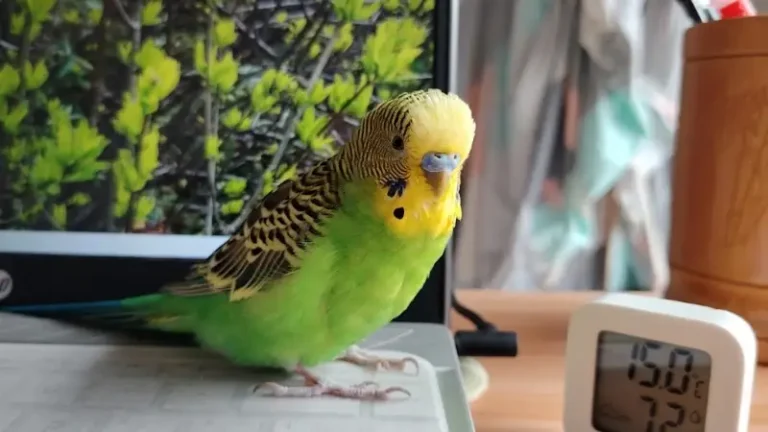
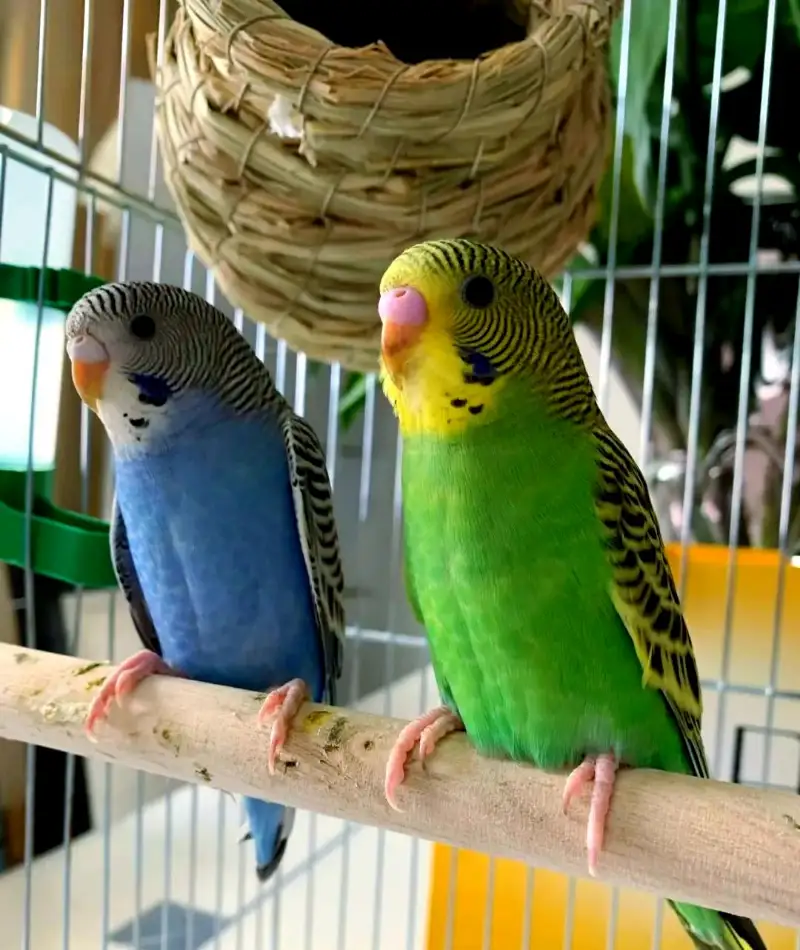
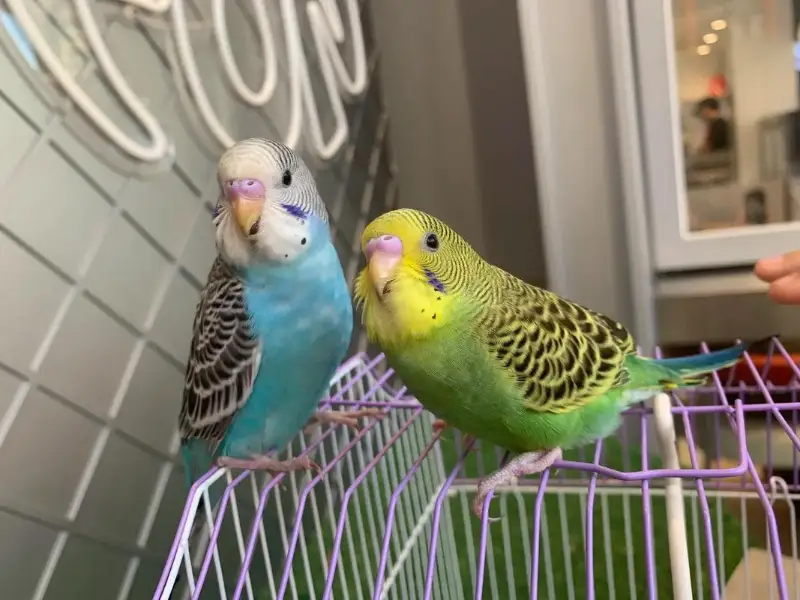
For anyone attempting to raise a Budgie (also known as a Parakeet) for the first time, understanding and practicing the correct care methods is crucial. With their vibrant colors, lively personalities, and friendly nature, Budgies are a top choice for pet owners.
However, ensuring your Budgie grows up healthy and happy requires dedication and the right approach. Below, we explore the essentials of Budgie care and tips for new owners.
1. Creating the Perfect Habitat
1. Choosing the Right Cage
The first step in raising a Budgie is selecting a suitable home.
- Size Matters: Budgies need ample space to fly and play. The cage should be at least 24 inches (60 cm) long to ensure they have enough room for activity.
- Safety First: The material must be sturdy and non-toxic to prevent injury.
- Ease of Cleaning: A cage with a slide-out tray at the bottom is highly recommended for easy removal of droppings and food debris.
2. Toys and Perches
To enrich your Budgie’s life, you must “furnish” their home properly:
- Entertainment: Add toys like swings, ladders, and hammocks. These not only provide entertainment but also help your bird exercise.
- Perches: Choosing the right parrot perch is crucial for maintaining your bird’s foot health. For Budgies, it is recommended to use perches with a diameter of approximately 0.4 to 0.6 inches (1–1.5 cm). This size ensures a comfortable grip and helps prevent foot issues.
- Safety Warning: Avoid toys with long, loose threads or ropes, as these can pose a strangulation hazard.
3. Maintaining Hygiene
- Weekly Deep Clean: Thoroughly clean the cage at least once a week to remove waste and debris.
- Daily Maintenance: Food bowls and water dispensers must be cleaned daily to keep utensils sanitary and protect your bird from bacteria.
2. Diet and Nutrition Management
1. A Balanced Diet
A Budgie’s diet must be diverse to ensure healthy growth:
- Staples: High-quality seeds and grains.
- Fresh Supplements: Pair the staple diet with fresh fruits and vegetables, such as apples, carrots, and spinach, to provide essential vitamins and minerals. This combination keeps your Budgerigar energetic and physically fit.
2. Foods to Avoid
- Toxic Foods: Never feed your bird human snacks containing chocolate, caffeine, or fried foods, as these are harmful to their health.
- Safety Check: Ensure all fruits and vegetables are fresh and free from pesticide residue.
3. Hydration
Provide plenty of fresh water daily and clean the water bowl regularly.
- Placement: Do not place the water bowl where it can easily be contaminated by droppings or where it might splash and soak the cage.
- Monitoring: Check food and water levels every morning and replenish as needed.
3. Temperature and Humidity Control
1. Temperature
Budgies thrive in temperatures between 68°F and 77°F (20°C – 25°C).
- Winter: Ensure the area is warm and free from cold drafts.
- Summer: Avoid direct sunlight. Place the cage in a well-ventilated, bright indoor area, or use shade covers if necessary.
2. Humidity
Ideal humidity levels range from 40% to 60%.
- How to Adjust: You can place a bowl of water near the cage or use a humidifier. In dry or hot seasons, regular misting can also help maintain moisture levels.
4. Interaction and Socialization
1. Bonding with Your Bird
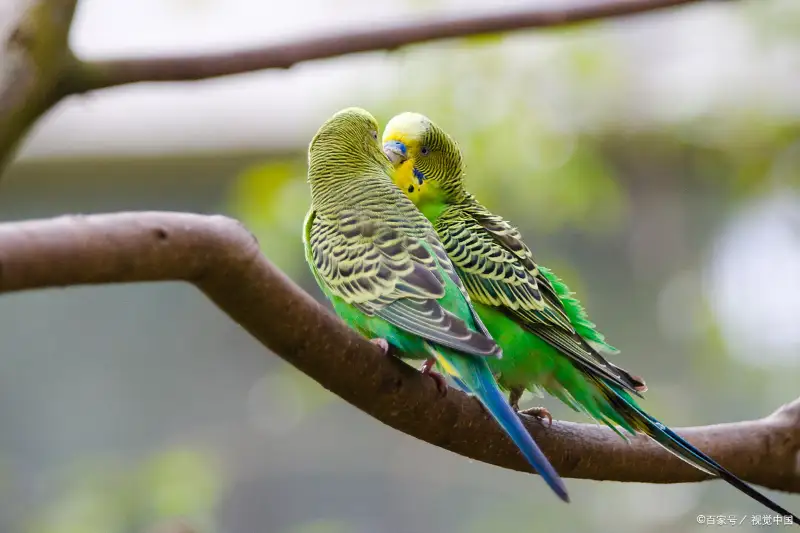
Budgies are highly social creatures.
- Daily Interaction: talking, singing, and playing with them effectively builds trust and friendship. This makes them feel safe and strengthens your bond.
2. Social Environment
Beyond interacting with you, Budgies need stimulation.
- Free Roam: Allow them supervised free flight time in a safe, open room.
- Group Play: If possible, let them interact with family members or other birds.
5. Health Monitoring and Disease Prevention
1. Observation
Pay close attention to your Budgie’s diet and energy levels daily. If they stop eating or appear lethargic, it is a sign of illness. Consult a vet or research symptoms immediately.
2. Prevention
- Hygiene: Prevention is better than cure. Regularly cleaning and disinfecting the cage and toys is key.
- Diet: Fresh fruits and vegetables boost immunity, helping them resist disease.
3. Timely Treatment
If you notice abnormal behavior or symptoms, take action immediately. Delaying treatment can worsen the condition and endanger their life.
6. Advanced Guide: Breeding Management
1. Nesting Setup
If you plan to breed, provide a comfortable nest box (wooden boxes are typically preferred). Ensure the nest is dry and well-ventilated to make them feel secure.
2. The Breeding Cycle
Budgies generally have several breeding opportunities per year. Observe behaviors like the female starting to build a nest to judge the best timing. Always check that the birds are healthy and not malnourished before breeding.
3. Breeding Environment
- Temperature: Keep the room temperature above 68°F (20°C).
- Humidity: Maintain relative humidity around 65% to aid hatching.
- Quiet: Reduce noise and disturbances to allow the birds to breed with peace of mind.
4. Incubation and Chick Care
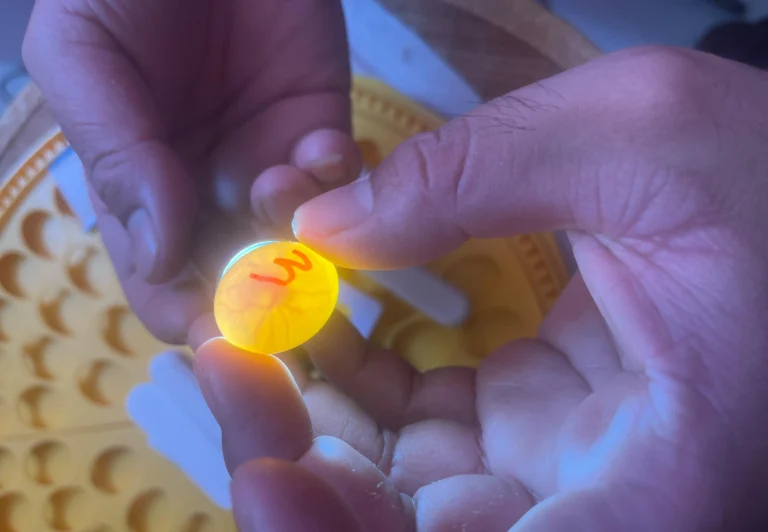
- Incubation: Once eggs are laid, the incubation period lasts about 18 to 20 days. Minimize disturbances during this time.
- Co-Parenting: After hatching, both parents will share the duty of keeping the chicks warm and fed.
5. Nutrition for Breeding
Nutritional needs increase during breeding. Supplement their diet with high-protein foods like boiled egg yolks or mealworms to replenish energy. Ensure water is always clean and abundant.
6. Weaning and Growth
As chicks grow and their feathers fill in, they will start attempting to eat on their own. This marks their journey toward independence. You can gradually reduce hand-feeding (if applicable) or parental feeding reliance to let them learn to forage.
7. Post-Breeding Recovery
After the breeding cycle, give the parents time to rest and recover. Provide ample nutrition and thoroughly clean and disinfect the nest box for future use.