Quaker Parrot Breeding Guide: Tips for Success & Raising Chicks

Quaker Parrot Habits
Quaker parrots are social birds, known for living in colonies. They are also unique among parrots for their habit of collecting materials to build their nests. Though native to South America, most Quaker parrots found in Taiwan were wild-caught in Uruguay.
These remarkably resilient birds can thrive in most environments. Because of this, many areas in the United States now have established feral populations, reproducing outside their native range.
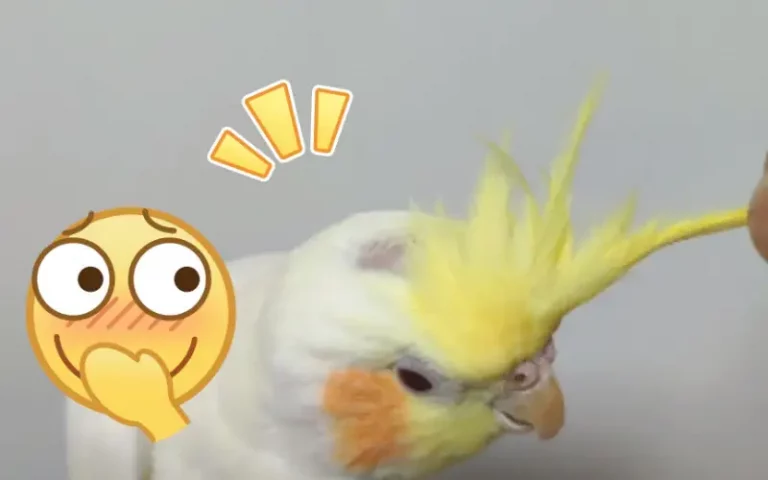
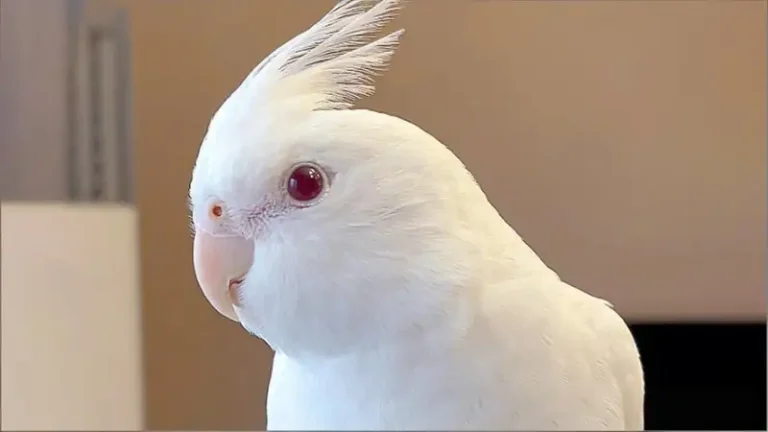
Quaker parrots are also relatively easy to breed. Beyond their native green, artificial breeding has produced many beautiful color mutations, including blue, pale blue, cinnamon, silver, albino, and lutino.
The Quaker parrot breeding season typically begins around April, coinciding with the Qingming Festival. The period from April to mid-October is considered their main breeding season.
Interestingly, unlike many other parrots, Quaker parrots tend to breed more successfully in hotter weather. They can have 1 to 3 breeding cycles per year, though their success rate for rearing chicks is comparatively lower.
Quaker Parrot Breeding Experience Sharing
Quaker Parrot Diet:
The recommended diet for Quaker parrots includes pellets, a seed mix, fresh fruits and vegetables, and sprouted beans/seeds. Pellets should form the primary part of their daily diet, supplemented with appropriate amounts of fruits and vegetables every day.
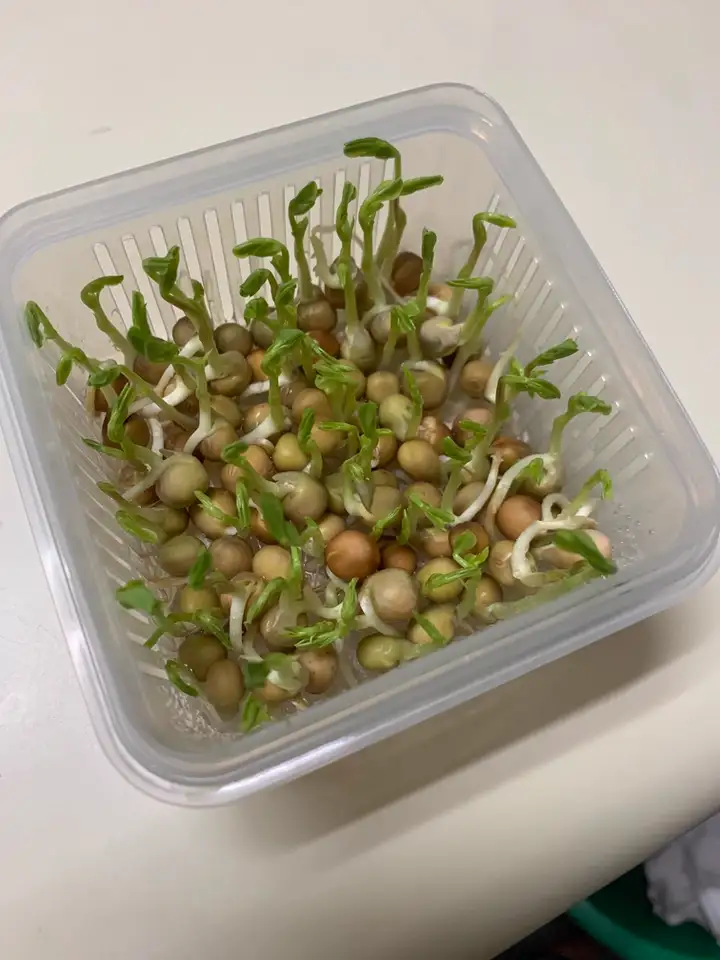
Sprouting beans is a bit more involved. You can sprout a batch once a week and then offer them to your parrots. I will be sharing a dedicated article later on how to prepare sprouted beans.
Quaker Parrot Breeding Process and Considerations:
The choice of suitable breeding environment directly influences breeding success. A comfortable environment significantly increases the chances of successful Quaker parrot breeding.
Breeding Cage Dimensions:
- Length: At least 60-90 cm (24-36 inches)
- Width: At least 45-60 cm (18-24 inches)
- Height: At least 45-60 cm (18-24 inches)
Nest Box Dimensions:
- Nest box entrance hole diameter: 6-7 cm (2.4-2.8 inches)
- Nest box width: Approximately 20-25 cm (8-10 inches)
- Nest box depth: Approximately 20-25 cm (8-10 inches)
- Nest box height: Approximately 30-35 cm (12-14 inches)
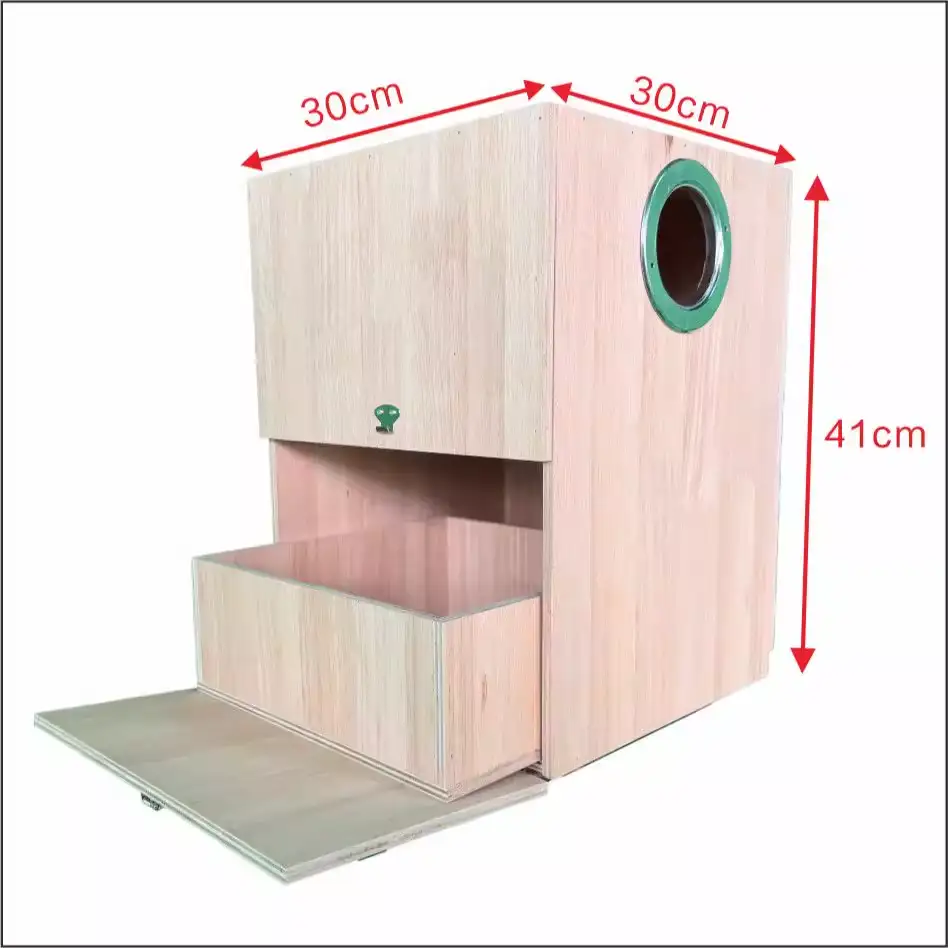
Please note that the above nest box dimensions are minimums. I typically recommend using a nest box that is 30 cm long, 30 cm wide, and ideally 35-40 cm high. This size has yielded the most satisfactory results for me.
Tips for Choosing a Breeding Cage:
- Bigger is Better: If space permits, a larger cage is always ideal. More space allows the parrots greater room for flying and activity, which helps them stay active, reduces friction between the pair, and provides a more comfortable environment during brooding.
- Metal Material: Choose a sturdy, chew-resistant metal cage. Quaker parrots have strong beaks, and cages made of wood or softer materials can be quickly destroyed.
- Electroplated or Stainless Steel: Prioritize safe, non-toxic electroplated or stainless steel materials. Avoid cages containing zinc or lead, as these are toxic to parrots.
- Bar Spacing: The cage bar spacing should be between 1.27 – 1.9 cm (0.5 – 0.75 inches) to prevent their heads from getting stuck or escaping.
- Easy to Clean: Select a cage with a removable bottom tray to facilitate daily cleaning and hygiene maintenance.
- Bird Perches: Provide natural perches of varying thicknesses and materials (such as fruit tree branches). This promotes healthy foot circulation for the parrots and provides chewing enrichment.
- Food and Water Bowls: Prepare at least two food bowls and one water bowl to ensure an ample supply of food and water, especially since food consumption significantly increases during brooding.
Quaker Parrot Courtship and Nest Building:
After preparing the breeding cage, you can introduce your breeding pair. Observe for courtship behaviors: the male will regurgitate food for the female, they will preen each other’s head feathers, and emit specific courtship calls. The male may sometimes dance around the female or display his wings.
Nest Building: This is a truly unique behavior for Quaker parrots in the wild. In a captive environment, they will use a nest box but also add their own materials to it. I always line the nest box with a layer of wood shavings and provide extra nesting materials. This helps Quaker parrots breed more successfully.
Providing Materials: Offer non-toxic nesting materials such as fresh (pesticide-free) or dried small branches (like willow or apple branches), palm leaf strips, ink-free paper strips (e.g., from a shredder), and bamboo pieces.
They will carry these materials into the nest box, skillfully weaving them into a cup-shaped or tunnel-like nest. This process can take anywhere from a few days to several weeks. This nest-building process is crucial for strengthening the pair’s bond and boosting breeding success. Of course, it’s also possible they might bypass building a nest and breed directly in the nest box.
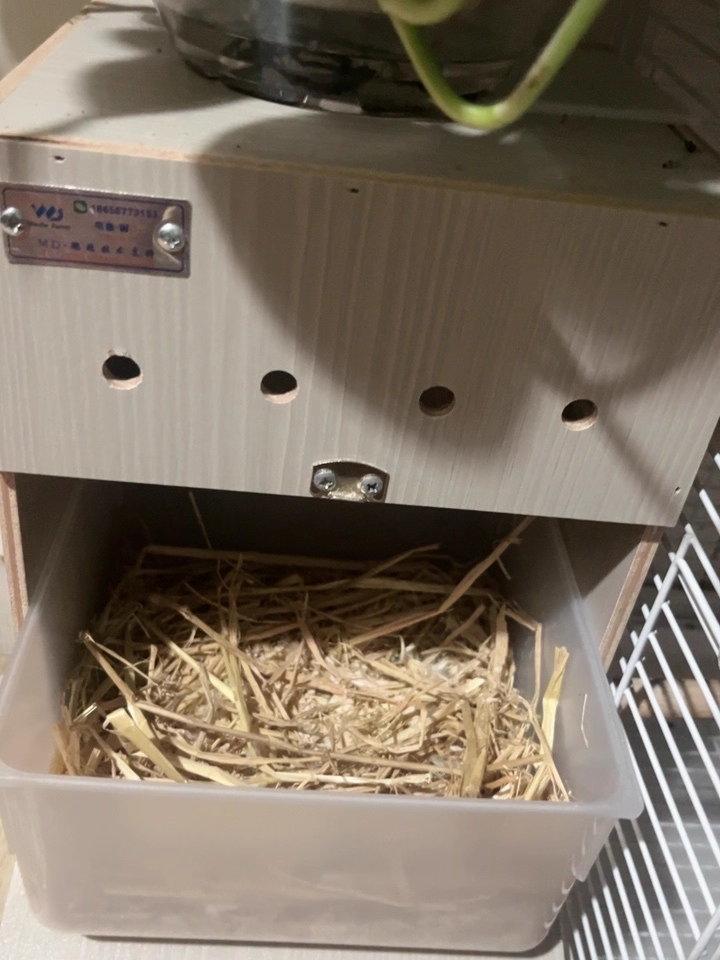
Laying and Incubation:
Egg Laying:
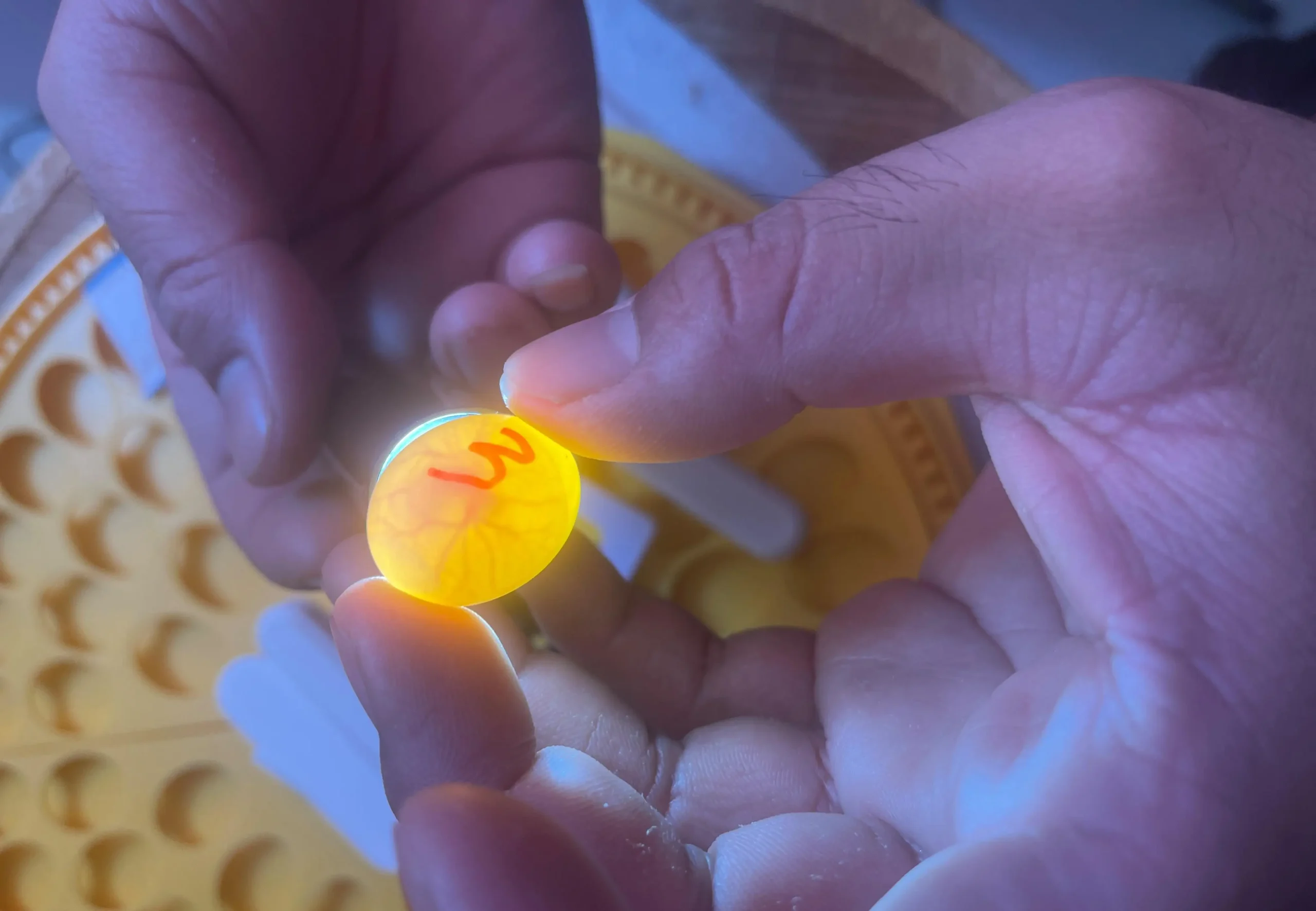
Once nest building is complete, the female usually begins laying eggs within a few days to a week. Quaker parrots lay 4-8 eggs per clutch, typically laying one egg every 1-2 days.
The parent birds will usually begin incubation after laying 2-3 eggs, or after all eggs have been laid. During this time, the parent birds will remain constantly inside the nest box.
Incubation Period:
The incubation period is typically 23-25 days. During this time, the parent birds will take turns incubating the eggs.
Important Notes for Laying and Incubation:
- Maintain Quiet: Minimize any disturbance to the parent birds.
- Nutritional Supplementation: Continue to provide highly nutritious food, especially ensuring sufficient calcium intake. This is vital for egg laying and successful incubation. Daily liquid calcium supplements specifically formulated for birds are recommended.
- Ensure Stable Humidity: Maintaining appropriate humidity aids in successful egg hatching. If the environment is too dry, consider placing a bowl of water near the cage or occasionally misting, but never directly spray the eggs or the inside of the nest box.
- Regular Checks: Only open the nest box for checks when absolutely necessary. If you do need to inspect, do so gently and quickly.
Chick Rearing Period
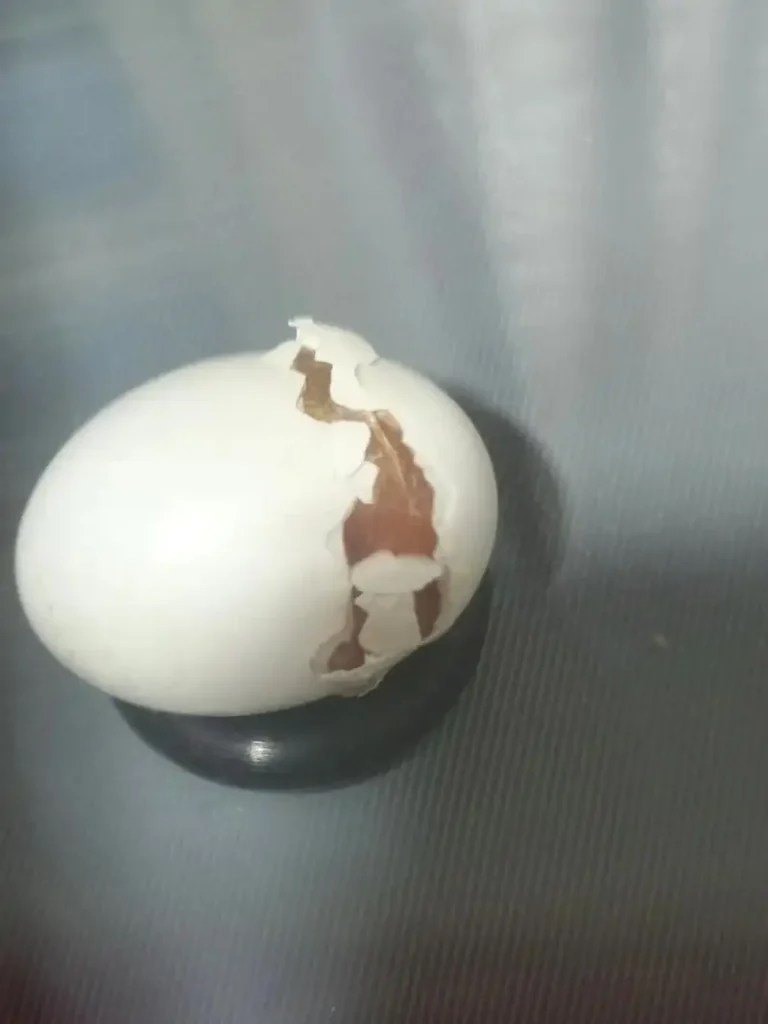
After 23-25 days of incubation, the chicks will hatch: Hatchlings use a temporary “egg tooth” on their beak to break out of their shells.
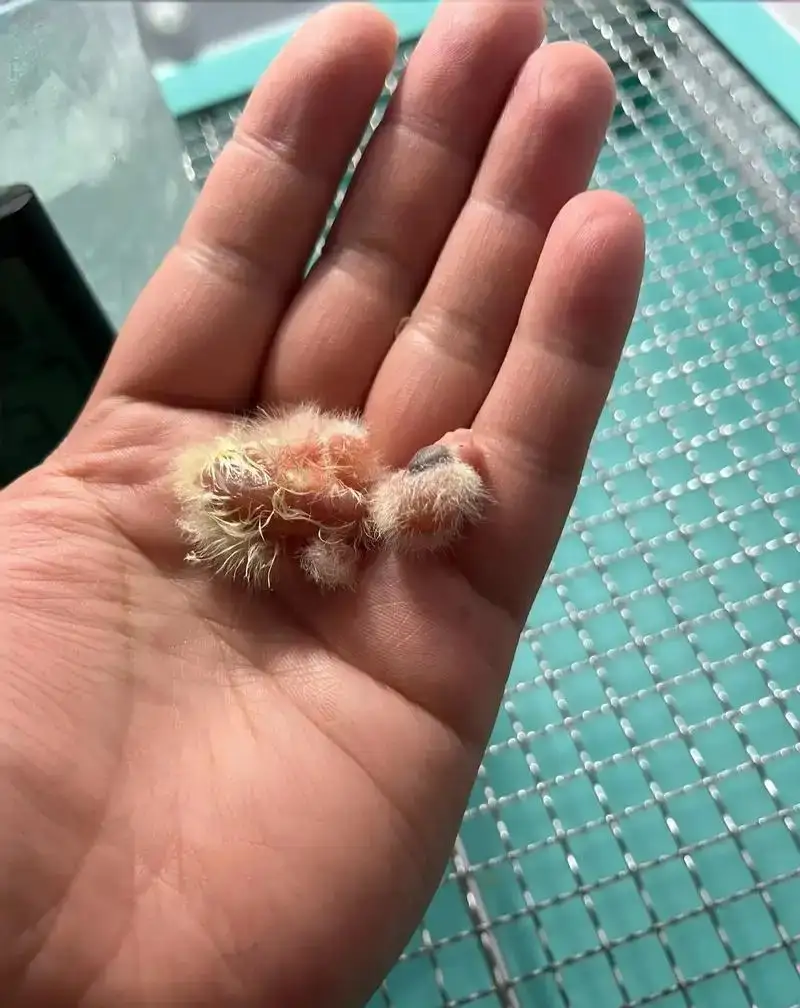
Newly hatched Quaker parrot chicks are pink, featherless, and have closed eyes. The parent birds will regurgitate food to feed their young, making this the most crucial stage.
Ensure the parent birds have a plentiful and varied food supply, specifically increasing protein content with items like parrot breeding formula, cooked eggs, and fresh corn kernels.
Chick Growth Stages:
- 1-2 Weeks: Chicks will start growing down feathers, and their eyes will gradually open.
- 3-4 Weeks: Chicks begin to develop pin feathers, and their bodies progressively become covered with plumage.
- 5-6 Weeks: Chicks are mostly fully feathered, start becoming active, and their eyes are completely open.
- Cleaning: Parent birds typically keep the nest box clean by carrying droppings out. If the nest box appears excessively messy, you can perform a light cleaning, but avoid over-interference. It’s generally best to avoid manual intervention if possible, to prevent the parent birds from abandoning the nest.
- Hand-Rearing: If you observe that the parent birds are not adequately feeding the chicks, or if a particular chick is growing slowly, you can manually intervene and remove it for hand-rearing.
Fledging and Weaning:
Quaker parrot chicks usually start attempting to leave the nest at 5-7 weeks of age. For the first few weeks after fledging, the young birds will still rely on their parents for food and will learn how to forage and fly independently. This is a critical learning period.
Weaning Period:
When chicks reach 8-10 weeks old, they will begin to mimic their parents eating solid food. This process typically takes one week or even longer. Once Quaker parrot chicks learn to eat independently, they will stop begging for food from their parents and successfully grow into self-sufficient Quaker parrots.
Common Problems and Solutions in Quaker Parrot Breeding:
Parent Birds Abandoning Eggs/Chicks: Parent birds may abandon eggs or chicks due to stress, inexperience, illness, or an unsuitable environment.
Sometimes, excessive disturbance by parrot parents—such as frequently opening the nest box for observation or handling the eggs or chicks—can directly cause the parents to abandon their breeding efforts. Providing a quiet, stable environment free from disturbance is extremely important.
Egg Binding (Dystocia) in Females: This is a serious issue for female birds, usually caused by calcium deficiency. If the female has laid her first egg but several days have passed without the second egg being laid, you should consider the possibility of egg binding.
Solution: Supplement calcium in advance. Begin supplementing liquid calcium daily at the start of the breeding season, and provide adequate light to aid calcium absorption. Feed plenty of high-calcium foods like sprouted beans and kale. Avoid breeding females that are too young or too old.
Fighting: This typically doesn’t happen with established breeding pairs but often occurs during the pairing stage, requiring temporary separation.
Infertile Eggs: This is usually due to the male parent being too young, having a foot or toe disability, or insufficient nutritional intake. Generally, a pair’s first clutch when they first reach breeding age tends to have a lower fertilization rate; this improves with subsequent breeding experience.
Breeding Quaker parrots is a rewarding process that demands both patience and meticulous care. These are some of my experiences and tips on Quaker parrot breeding. Please feel free to leave comments and discuss further.