Cockatiel: First Impressions, Habits, and Comprehensive Care Guide

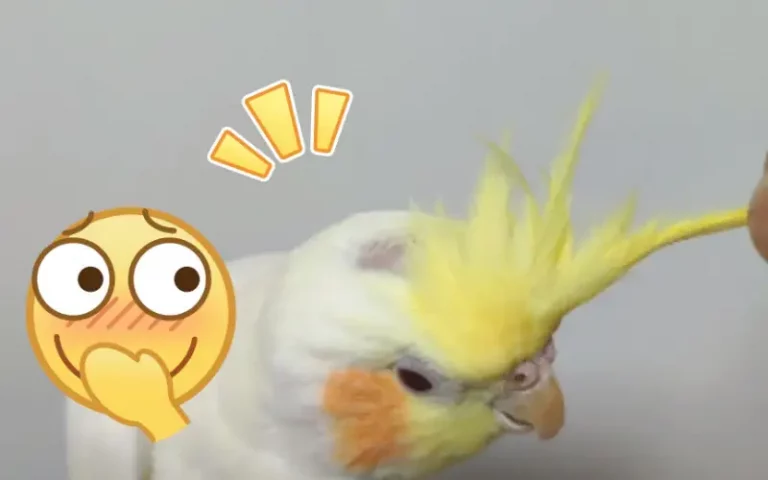
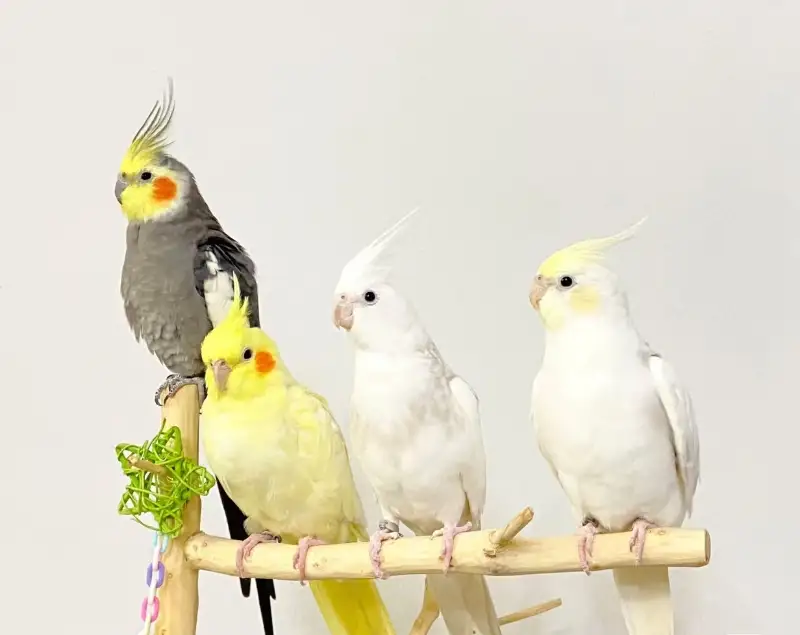
Upon your first encounter with a Cockatiel, you’re sure to be captivated by its distinctive appearance. This bird is petite and elegant, measuring approximately 30 to 34 cm in length. Its round little head features a pair of shiny black eyes, like two lively black beans, curiously surveying the world. Its most iconic feature is undoubtedly the erect crest atop its head, resembling a delicate small fan. When excited or startled, it will instantly stand tall, as if expressing its mood; when relaxed, the crest will tilt slightly, giving it an endearing, clumsy look.
Take a closer look at its feathers. Most Cockatiels exhibit soft, medium-grey plumage, as if draped in a mysterious veil, exuding a subtle beauty. The feathers on its lower body gradually lighten, as if gently tinted by sunlight. The vibrant orange-red patches on its cheeks are akin to meticulously applied blush, adding a touch of playfulness and cuteness. These “blushes” also make it stand out among other parrots, giving it a very high recognition factor. Upon closer observation, a male Cockatiel‘s “blush” is often more vivid and striking, like the glow of a sunset; while a female’s is comparatively more subtle, like a gentle wisp of cloud in the sky.
Its wings also feature large white patches. When it spreads its wings to fly, these patches shimmer in the sunlight, as if adorning its flight path with sparkling stars, making its aerial movements light and graceful. Its long tail feathers, which make up about half of its entire body length, flutter like vibrant ribbons in the wind during flight, presenting a truly beautiful sight.
Unveiling Life Habits
(I) Foraging Preferences
Cockatiels have their own unique dietary preferences and are true “seed enthusiasts.” In the wild, various plant seeds are their staple food, including grass seeds, shrub seeds, and tree seeds, all of which are much loved. These seeds are rich in energy, providing ample fuel for the Cockatiel‘s daily activities. When they discover a patch of grassland abundant with mature seeds, they happily flit through it, skillfully pecking at the seeds with their small, sharp beaks. Besides seeds, they also enjoy fruits and nuts. During the fruit harvest season, ripe and juicy fruits on branches become their feast. They carefully peck open the fruit’s skin to savor the sweet pulp inside.
In an artificial breeding environment, to meet the Cockatiel‘s nutritional needs, we can offer a varied diet. Alongside various mixed seeds, it’s appropriate to feed fresh vegetables and fruits. For instance, carrots cut into small pieces and apples sliced thinly after removing the core are favorites. Vegetables and fruits not only supplement their vitamins and water but also enrich their diet, promoting healthier eating. Nuts are also excellent treats, occasionally offering them one or two shelled almonds or walnuts can make them very happy. However, moderation is key to prevent them from becoming overweight due to excessive fat intake.
(II) Defense Strategies
Despite their cute appearance, Cockatiels possess unique defense strategies when faced with danger. Upon sensing a potential threat, their first reaction is often to quickly flee. With their agile bodies and powerful wings, they can fly at speeds exceeding 64 km per hour, rapidly disappearing from dangerous areas. If they spot a raptor circling overhead, they immediately become alert, taking swift flight in a safe direction.
In extreme situations, when escape is impossible, they will defend themselves vigorously. A Cockatiel‘s beak is not to be underestimated; it is very sharp and, combined with strong jaw muscles, can deliver a powerful bite. If a predator attempts to enter their nest, they will fearlessly attack the intruder with their beak, delivering a bite to make it known that they are not to be trifled with. However, they generally prefer to avoid direct confrontation, attempting to resolve crises peacefully. When approached by humans, they first observe their behavior; if no danger is perceived, they will continue their activities; but if threatened, they will immediately fly away.
(III) Social Behavior
Cockatiels are highly social birds, typically active in pairs or flocks in the wild. You can often see them three to five of them jumping and playing among tree branches, or foraging together on the ground. They look out for each other, jointly searching for food and evading predators. During the breeding season, mated Cockatiels become even more intimate, working together to find suitable nesting sites and sharing the responsibilities of incubating and raising chicks.
Care Guide: How to Become a Qualified Cockatiel Owner
(I) Creating the Rearing Environment
Creating a comfortable home for your Cockatiel is paramount. Firstly, choose a spacious metal cage. Metal material is robust and durable, capable ofwithstanding their active nature, and the horizontal bar design on all sides makes climbing easy. The cage size should be appropriate; too small will restrict their movement and affect their physical and mental health; too large might make them feel insecure. Generally, a cage with a length of 60 cm or more, and correspondingly sufficient width and height, is suitable, ensuring they have enough space to stretch their wings and move freely.
Appropriate parrot perches are also essential. They are not merely places for the parrot to rest and stand; they also help them sharpen their claws and exercise their foot muscles. Choose perches made from natural wood, with a diameter of about 2cm~2.5cm. Their irregular shapes and rough surfaces are more beneficial for the Cockatiel’s foot health, preventing foot problems that can arise from prolonged standing on smooth, uniformly thick perches. It is recommended to set up perches of varying thicknesses and materials in the cage, such as abrasive perches and rattan perches, to increase their enjoyment and further promote foot health.
Place the birdcage in a dry, well-ventilated, and relatively quiet location, away from doors and windows, to avoid frightening them with external noise and sudden changes in airflow. It is also important to maintain a clean and hygienic rearing environment, regularly cleaning the birdcage to remove droppings and leftover food, providing them with a clean and comfortable living space.
(II) Scientific Diet Plan
The Cockatiel‘s diet requires careful planning to ensure balanced nutrition. Their daily staple food can include specialized mixed grain parrot feed, which is rich in protein, fat, vitamins, and minerals, meeting their basic nutritional needs. In addition to feed, fresh fruits and vegetables are an indispensable part of their diet. Apples are rich in vitamins, and carrots contain abundant carotene, both beneficial for their health. Apples can be cut into small pieces, and carrots into thin strips, for regular feeding. Remember to feed in moderation; fruits have high sugar content, and too much can lead to obesity or diarrhea. You can also appropriately add parrot health grit and liquid calcium supplements to help them absorb nutrients more comprehensively.
(III) Precise Temperature Control
Cockatiels are sensitive to temperature, with an ideal living temperature range of 22 – 28℃. Within this range, they maintain good spirits and active mobility. During hot summer months, ensure indoor ventilation and avoid direct sunlight on the birdcage to prevent heatstroke. Fans or air conditioners can be used to regulate indoor temperature, but be careful not to let cold air blow directly onto them. In air-conditioned rooms, placing some green plants around the birdcage can increase air humidity. A shallow dish filled with clean water can also be placed inside the cage for them to bathe and cool down.
In winter, as temperatures drop, keeping them warm becomes crucial. You can line the birdcage with soft bedding, such as hay or cotton, to create a warm nest for them. Using a specialized parrot incubator is also a good option for effective temperature maintenance. Place the birdcage away from windows and doors to avoid cold drafts. If indoor temperatures are low, a heating lamp can be used, but ensure it is kept at a safe distance from the cage to prevent burns.
(IV) Interaction and Companionship for Bonding
Cockatiels are intelligent and emotional birds that desire to build close relationships with their owners. During daily care, dedicate time to interact and play with them. Gently stroke their head and back to let them feel your affection. Teaching them simple commands and words, such as “hello” and “goodbye,” is also an excellent way to interact. When they respond correctly, offer small treats as rewards to encourage their learning enthusiasm. Hand-raised Cockatiels are better adapted to human interaction, reducing fear and becoming loyal companions. During interactions, observe their emotions and behavior to understand their needs, making them feel your care and love.
Conclusion
In summary, Cockatiels stand out among many parrots due to their gentle temperament, low noise levels, and distinctive appearance. If you appreciate a quiet, gentle, and highly interactive pet bird, then a Cockatiel is undoubtedly an excellent choice. It can bring you warm companionship and become an indispensable little joy in your life.