Cockatiel 101: Everything You Need to Know About the “Dutch Little Elf”

1. History and Origins: The “Dutch Little Elf”
In 1770, Europeans traveled across the ocean to Australia, where they discovered a unique bird species. Captivated by its charm, they initially thought to name it “The Little Elf.”
At that time, Australia was known as “New Holland.” Consequently, the Cockatiel’s scientific name, Nymphicus hollandicus, literally translates to “The Little Elf of New Holland.”
While the vast majority of parrots are protected species listed under the Washington Convention (CITES), today’s protagonist—the Cockatiel—is an exception. Thanks to their adorable appearance and gentle temperament, they have become one of the most sought-after pets globally.
2. Distribution and Population
Native Habitat: The Cockatiel’s ancestral home is primarily in Australia and its surrounding islands. They thrive in the open lands of arid and semi-arid regions, particularly in the Australian Outback.
Global Presence: Today, Cockatiels have crossed the oceans and are distributed worldwide. Through domestication and breeding, they have entered countless homes, maintaining a substantial population.
Note: If you see a Cockatiel on the street, don’t be alarmed—but realize this is almost certainly an escaped pet. Domesticated birds cannot survive independently in the wild without training. We urge all “parronts” (parrot parents) to watch their birds carefully to prevent escapes.
3. Lifestyle and Habits
Social Behavior
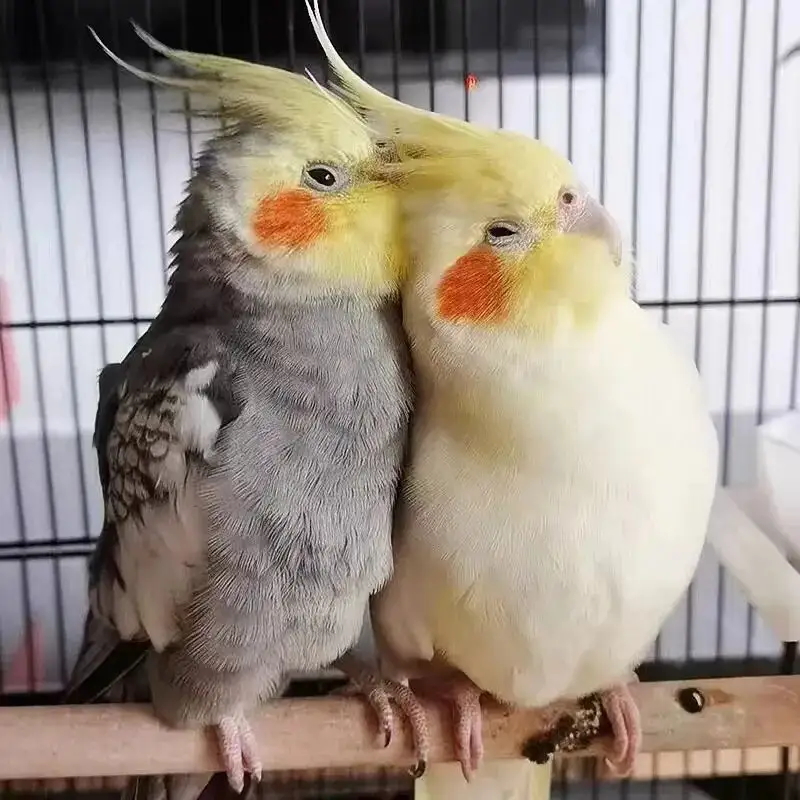
In the wild, Cockatiels usually gather in pairs or small flocks. Interestingly, these pairs aren’t always male and female; same-sex bonding is common, and birds of the same gender can get along harmoniously. In water source areas, large flocks can often be seen gathering.
Diet and Nutrition
- Wild Diet: Primarily seeds and grains. In Australia, they are sometimes seen as pests by farmers for raiding crops.
- Domestic Diet: While seeds are a staple, pet birds must be provided with fresh vegetables and fruits to ensure comprehensive nutrition similar to what they would get in the wild. If your budget allows, high-quality formulated pellets are highly recommended.
Feeding Tips: Parrots are “huskers.” They use their tough beaks to crack open seed shells and eat the kernel inside. They can be picky eaters, prioritizing high-fat foods like sunflower seeds or hemp seeds. They will often only eat millet or veggies once the fatty treats are gone. To prevent obesity, owners must diversify the diet and control the ratio of oil-rich seeds.
Bathing Habits
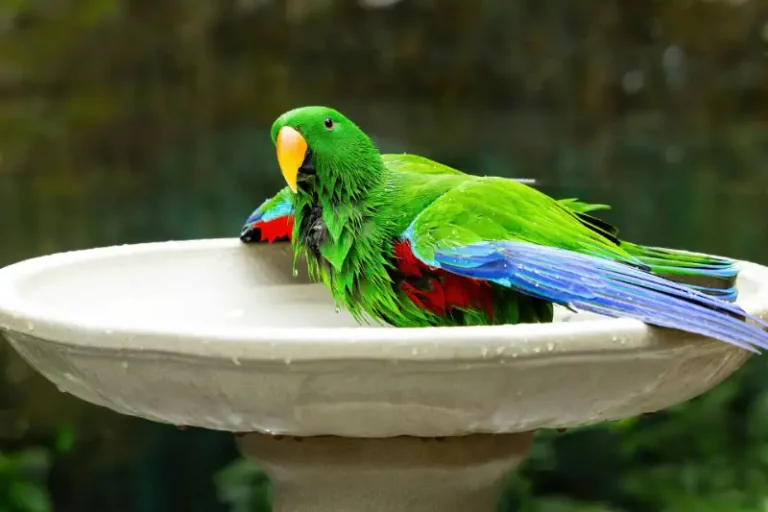
Most Cockatiels love to bathe—just look at their “makeup”! A bird that wears blush every day surely loves to be clean. Wild Cockatiels bathe while drinking at lakesides, and domestic ones will often hop right into a water bowl. Regular bathing helps prevent parasites and aids in preening.
4. Sexing and Varieties
Adult Cockatiels can often be distinguished by physical traits:
- Cheek Color: Males usually have brighter, deeper orange cheek patches (“blush”), while females have duller patches.
- Wing Markings: Females have yellow spots/barring on the underside of their wings and tail feathers. Males lose these spots as they mature.
- Vocalization:
- Males: Their calls are elegant and varied. They are good at whistling and mimicking songs (known as “catcalling” or singing).
- Females: Generally quieter with simpler, more monotone calls.
- Physiology: Under identical care conditions, females tend to be slightly stockier and possess a wider pelvic spread than males.
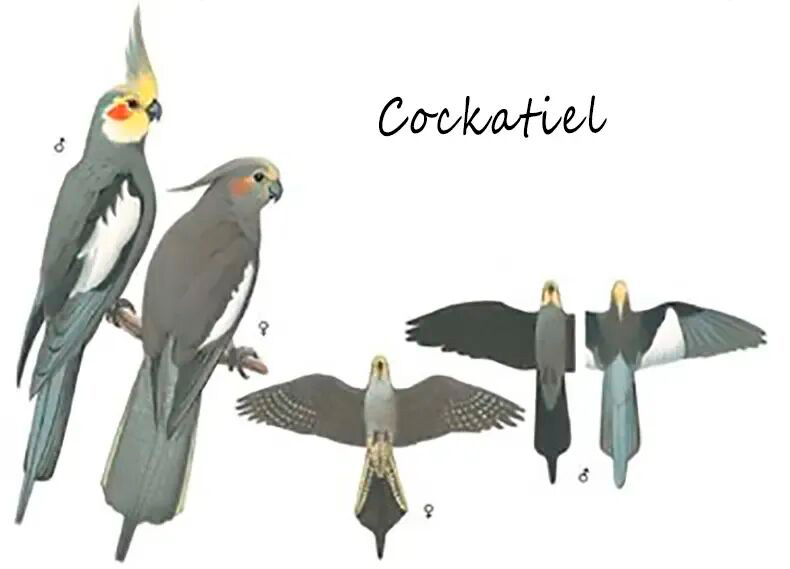
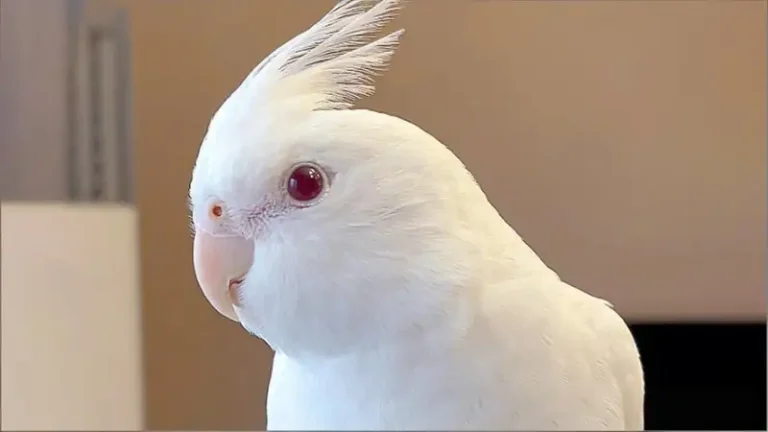
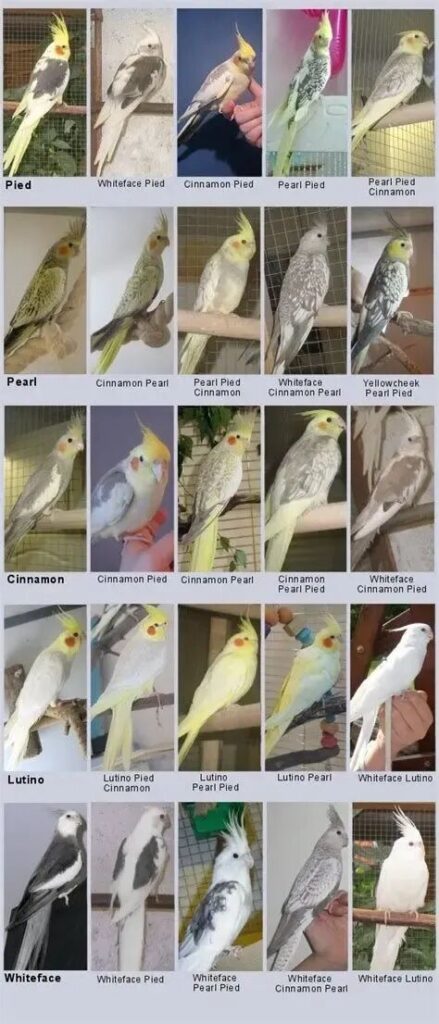
Mutations: While the original wild Cockatiel is grey, generations of breeding have produced over 20 different color mutations (like Lutino, Pearl, Cinnamon, etc.). Generally, the further the mutation is from the original wild type, the rarer it is. However, for a true bird lover, breed rarity doesn’t matter—every bird is a precious life and a companion.
5. Physiology: The “Poop Master” & Molting
The Straight-Gut Structure
Cockatiels have a unique urinary structure. They lack a bladder, and the ureters open directly into the cloaca. Consequently, urine and feces are expelled simultaneously. To stay light enough for flight, their intestines are very short, meaning food passes through quickly.
- Warning: Be prepared for your bird to “unload” frequently while you are handling them!
The Feather-Filled Molting Season
If you’ve played Crisis Core: Final Fantasy VII, you might remember the cover art with Zack Fair amidst falling feathers. When you own a parrot, this scene plays out in your living room annually.
Why Molt? Molting is essential for replacing damaged feathers, ensuring flight capability, and looking good for courtship.
- Order: Usually starts with wing and tail feathers, ending with the crest.
- Care: During molting, reduce fat intake and increase protein and vitamins to support feather regrowth.
6. Care Recommendations and Setup
Basic Care: Housing
- Cage Size: Whether you choose a flight cage or a standard cage, space is key. The cage must be wide enough for the bird to fully extend its wings and have enough height for climbing. Stainless steel or high-quality powder coating is preferred.
- The Importance of Perches: Selecting the right foothold is vital for your bird’s foot health. For Cockatiels, it is highly recommended to use a parrot perch with a diameter of approximately 0.75 to 1 inch (2–2.5 cm). Using natural wood perches of this size helps prevent pressure sores and mimics natural branches.
- Hygiene: Clean food and water bowls daily. Avoid letting poop accumulate in dishes. Vacuum feather dust regularly to prevent respiratory issues for both you and the bird.
Advanced Care: Bonding and Enrichment
Cockatiels may have small heads, but they are incredibly smart.
- Trust Training: Hand-feed them treats and pet them gently to build a bond.
- Outdoor Excursions: Take your bird outside for sunlight and fresh air, but always use a harness or a travel carrier to prevent fly-aways.
- Cage Decor: Rotate toys, ropes, and bells to keep them entertained.
Conclusion
The average lifespan of a Cockatiel is around 15 years.
From the day it hatches or comes home, you guide it through life. To walk side-by-side for over a decade, becoming a family member and a life partner, is a truly great commitment. Treat them with love and respect, and you will have a loyal friend for years to come.