20 Essential Parrot Care Facts and Tips

Parrots are intelligent, lively, and entertaining pet birds. While I’ve kept many types of birds, parrots remain my favorite. Most parrots are easy and suitable as pets. Although not difficult to care for, basic knowledge is essential. Do you know these 20 facts about parrots?
1. The Ancient History of Parrots as Pets
Parrots have a long history as pets. As early as 3,000 years ago in ancient Egypt, parrots were mummified. Ancient Chinese texts, like the Shan Hai Jing, also documented parrots.
2. Parrot Habitats, Species Classification, and Legal Pet Varieties
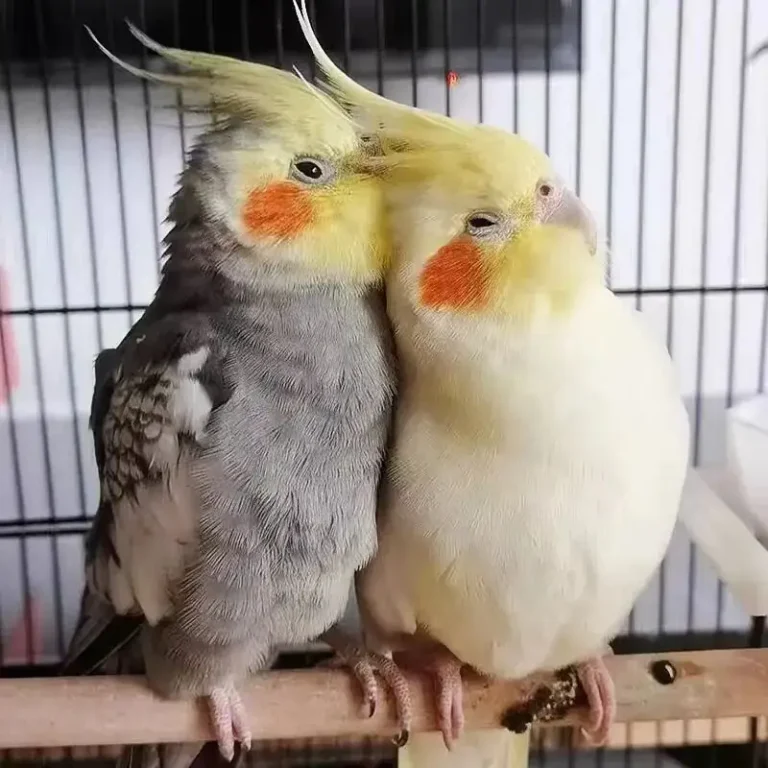
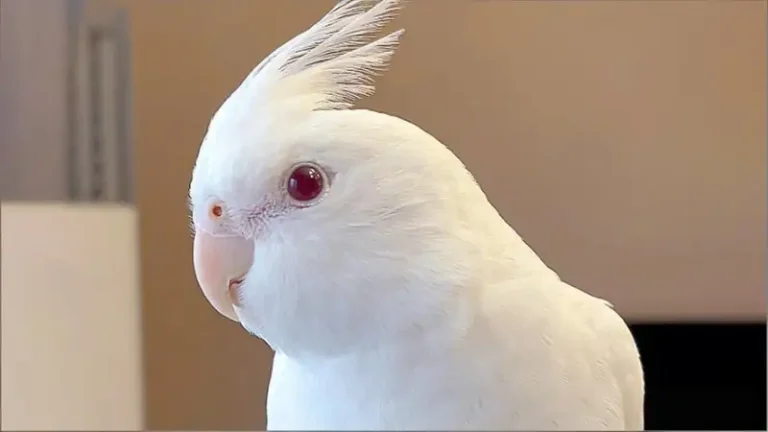
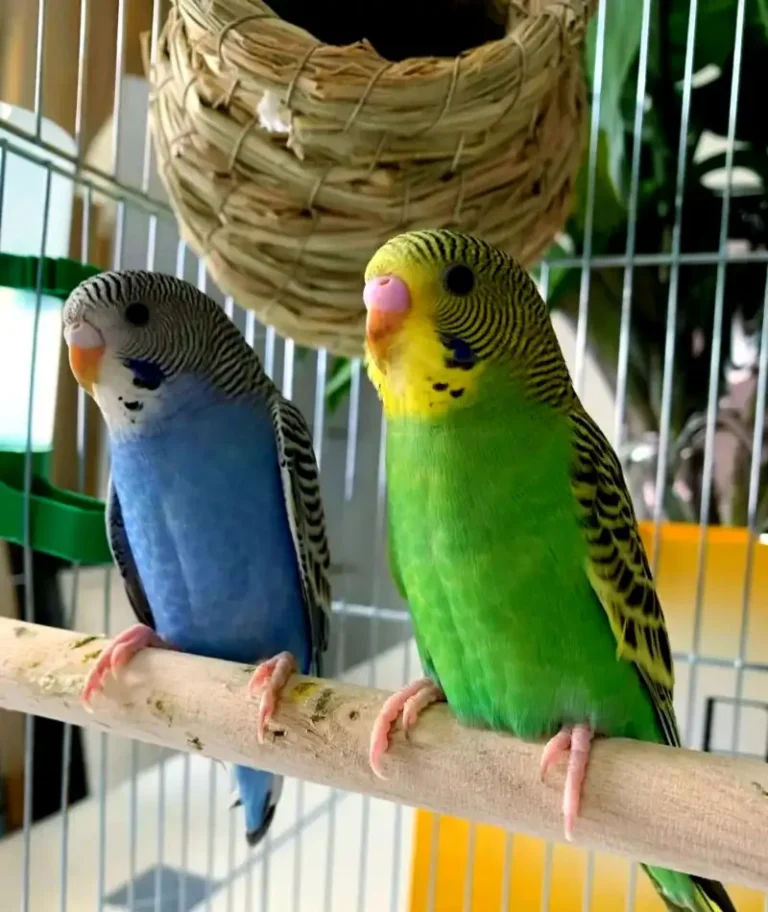
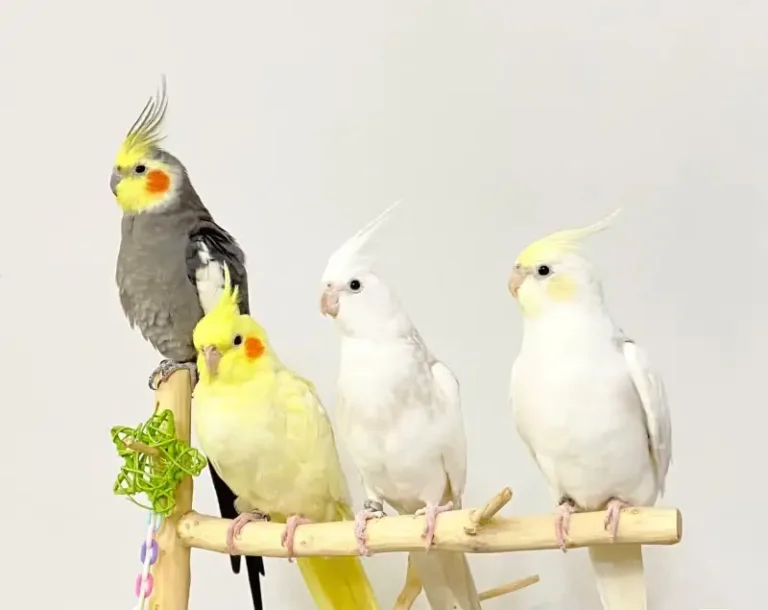
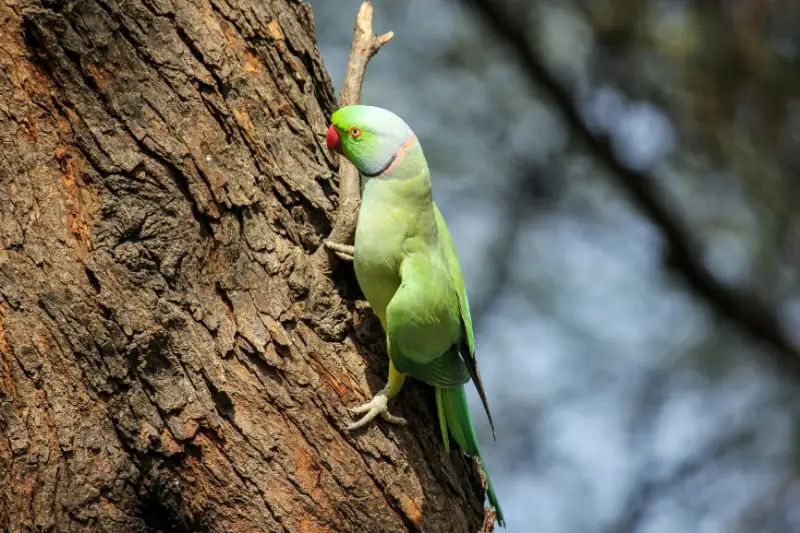
Most parrots live in tropical and subtropical regions such as South America, Oceania, and Africa. Currently, parrots are classified into 2 families, 82 genera, and 358 species. Despite this variety, nearly all Psittaciformes species are listed under the Convention on International Trade in Endangered Species of Wild Fauna and Flora (CITES). Most cannot be bought or sold, with only four common exceptions: Budgerigars, Cockatiels, Indian Ringneck Parrots, and Peach-faced Lovebirds.
Details of CITES Appendix parrot species:Appendices I, II and III
3. Unique Physical Characteristics and Biology of Parrots
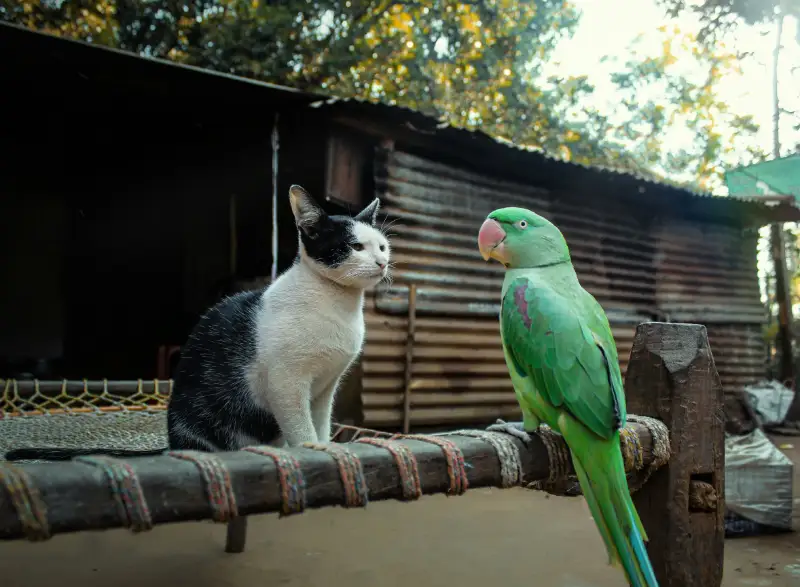
Parrot skin is very thin, almost transparent, with few pain receptors and a higher body temperature of about 41-42 degrees Celsius. Their heart structure is similar to humans. A parrot’s digestive system can only process about 20% of its body weight in food. Female parrots can lay eggs even without a male, though these eggs will be unfertilized.
4. Advanced Senses: Parrot Vision and Hearing
Parrots have hidden nostrils and ear feathers protecting their ear canals. Their eyesight is 5-8 times better than humans’. They have an extremely wide field of vision, with a monocular field exceeding 180 degrees and a binocular field over 300 degrees. They can distinguish primary colors and ultraviolet light, but their night vision is very poor.
5. Understanding Parrot Molting and Feather Changes
Parrots molt almost year-round, with spring or early summer being the peak. As they age, their feather colors may change slightly. Some experienced parrot parents can tell if a parrot is a juvenile or an adult by its feather color, but they cannot accurately determine its age.
6. Parrot Intelligence and Communication Capabilities
Studies show that parrots’ intelligence rivals animals like gorillas, dogs, and cats. They can mimic human language, sounds, and musical tunes. Parrots can also learn various skills, such as opening doors, using tools, untying knots, and unraveling yarn. Parrots also have strong social instincts and their own language and body communication methods, allowing them to communicate with other parrots and animals.
7. Bonding with Your New Baby Parrot
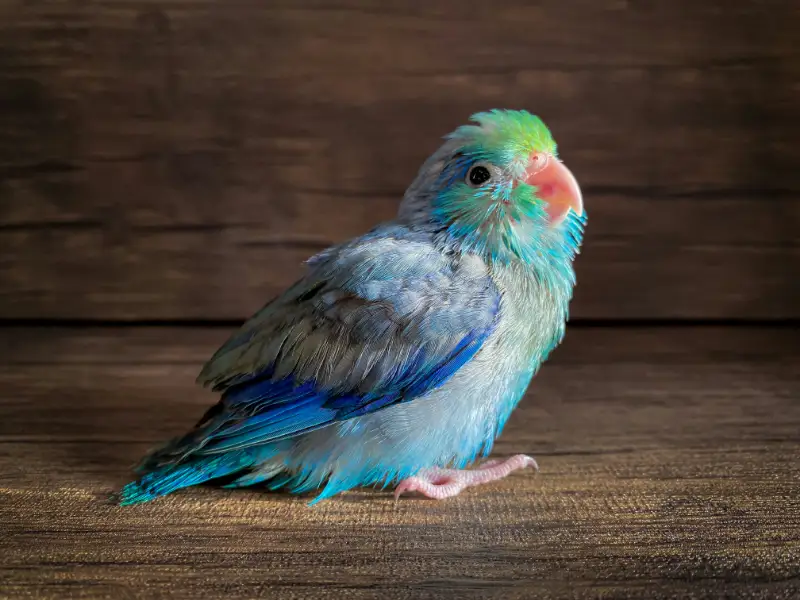
To help your bird baby bond with you quickly, feed it personally and interact closely. Spend time playing and training it. It’s generally recommended for new owners to bring their baby bird home around 25 days after hatching, before it is weaned.
8. Essential Supplies for a New Parrot Owner
Before getting a parrot, prepare a cage, food bowls, bird food, perches, and toys. The cage should not be round. Perches should be of different diameters depending on the parrot species.
9. Adjusting to a New Home: The First Few Days
For the first three days to a week after your bird baby arrives, try not to leave it alone at home. Before your bird baby has adapted to its new environment, avoid constantly trying to play with it; otherwise, it may become more wary of people.
10. Ideal Environment for Parrot Cages
Keep your parrot’s living space away from direct air conditioning or direct sunlight.
11. Choosing the Best Parrot Cage and Accessories
Choose a square cage; horizontal space is more important than vertical. Opt for stainless steel or low-carbon steel, with as many horizontal bars as possible. Adjustable food bowls are best. For perches, the ideal size allows the parrot’s foot to wrap around 70%.
12. Optimizing Your Parrot’s Diet
Parrots are omnivores. In the wild, their main food is seeds and various fruits. In captivity, pellets should be their staple, supplemented with a mix of seeds, fruits, and vegetables. Shelled seeds have higher nutritional value than de-shelled ones and can help relieve stress.
13. Foods Toxic and Dangerous for Parrots
Parrots should not eat chocolate, avocado, dried or raw beans, onions, garlic, leeks, nightshade plants, edible mushrooms (non-toxic), pits and seeds from Rosaceae fruits, alcohol, milk, or fine sand (Bird Grit should be given with extreme caution).
14. Wing Clipping: To Clip or Not to Clip?
Flying parrots are very prone to getting lost. They might also fly into glass, mirrors, or walls. Some owners choose to clip their parrot’s wings, but I personally do not advocate for wing clipping.
15. Parrot Social Behavior and Jealousy
Parrots are social animals with no hierarchy; they are all equal. So, when parrots see their owner chatting happily with human companions or playing with other animals, they may feel neglected or jealous and will try various ways to get attention. Sometimes, even a mobile phone can make them jealous.
16. Parrot Memory and Communication Training
Parrots have excellent memories and can hold grudges. They are very focused on verbal communication, so early mornings and evenings are excellent times to teach a parrot to talk.
17. Methods for Determining a Parrot’s Sex
There are several ways to determine a parrot’s sex:
- Males are smaller with a higher stance; females are larger with a lower stance.
- Males have a narrower, harder, and slightly higher pubic bone distance; females have a wider, rounder, and slightly lower pubic bone distance.
- Two birds of opposite sexes housed together usually get along, while two of the same sex may fight. However, two same-sex birds raised together from a young age might have a good relationship, and unfamiliar opposite-sex birds might still fight.
- Only males will regurgitate food to females (transferring food from their mouth to the other’s); the reverse does not occur.
- During mating season, males will “tread” (mount) the female to fertilize her eggs.
18. Understanding Parrot Breeding Behavior and Mating Season
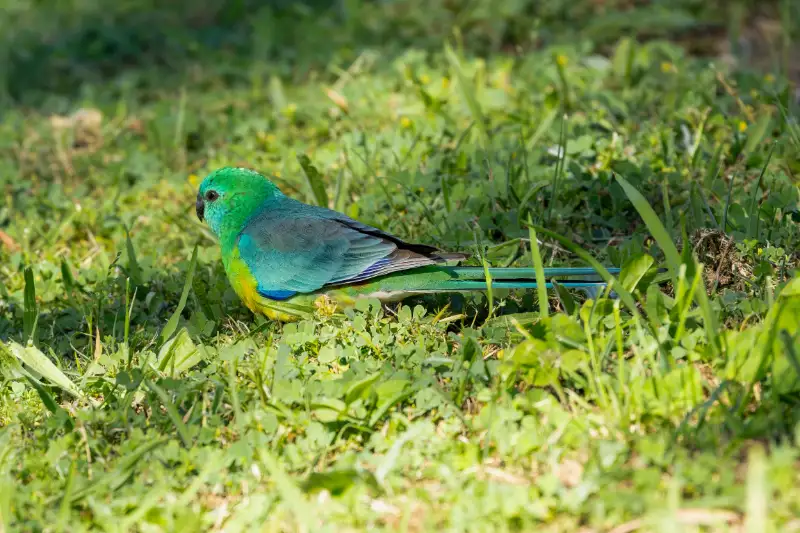
A parrot’s breeding season is usually from November to April of the following year. Most parrots become agitated during this period. They might pull out their own feathers to build a nest, scream, bite, become more territorial, and display courtship behaviors like lowering their head, raising their backside, spreading their wings, and fanning their tail while spinning.
19. Handling Parrot Eggs and Unfertilized Layings
After a parrot lays eggs, leave them in the nest for at least three weeks, waiting for the mother bird to complete her laying cycle before removing them. Mother birds are very protective. Most mothers will naturally discard unfertilized eggs that won’t hatch, so after three weeks, you can remove one unfertilized egg daily.
20. Artificial Incubation and Hand-Rearing Parrot Chicks
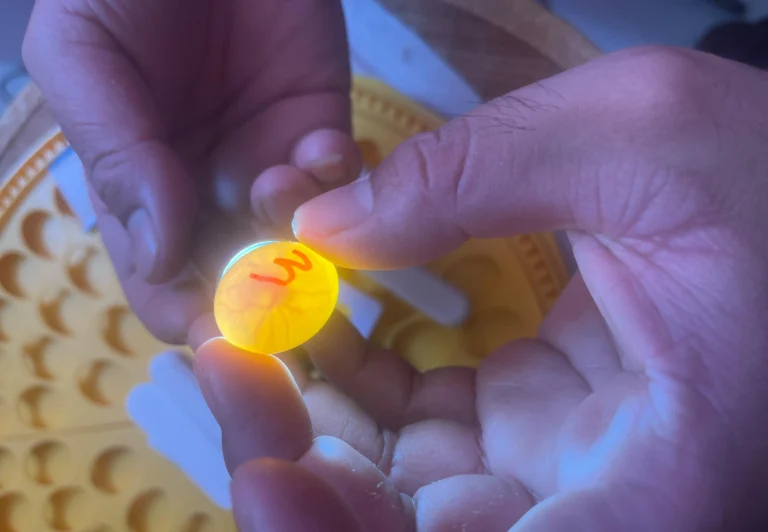
Artificial incubation of bird eggs takes at least 22 days. The incubator temperature should be 37.3-37.6 degrees Celsius, with carefully regulated humidity. Do not turn the eggs during the first three days and after day 15. Around 22 days, chicks will start to pip. For small parrots like budgies, the hand-rearing period is about 45 days, while for large parrots, it can be around 60 days.